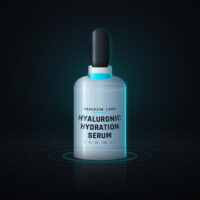
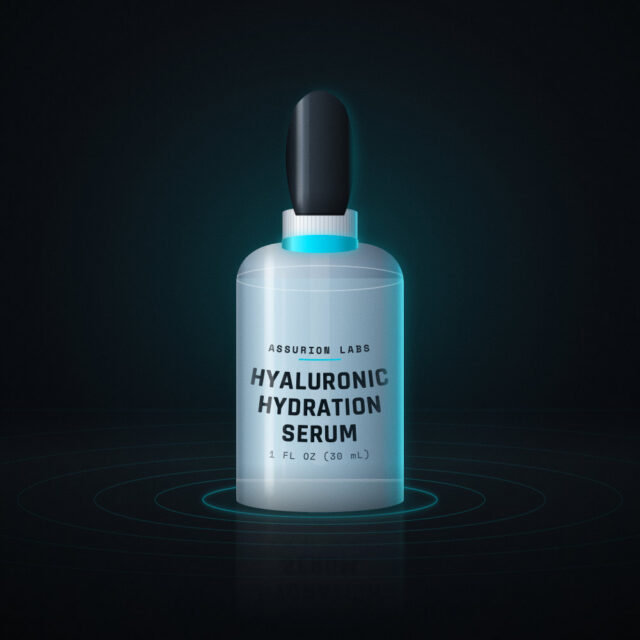
Hyaluronic Hydration Serum
A clear, water-light serum that layers on damp skin for a hydrated, bouncy feel.
$28.00
Add to Cart
Skin care concern
Learn how gentle cleansing, layered hydration and a comfortable moisturizer fit together, then shop products chosen for dry-feeling skin.
Overview
When people say their skin is dry, they usually mean it feels tight, rough or less comfortable than usual. It often shows up after cleansing, in cold or heated air, or as the day goes on. It is a description of how skin looks and feels, and it can change with the seasons, the products you use and how you care for your skin.
Most shoppers start with a few simple habits. They choose a gentle cleanser, use lukewarm rather than hot water, apply moisturizer while skin is still slightly damp, and add a hydrating serum or an overnight mask when skin needs extra comfort. Common product types include gel or cream cleansers, hyaluronic acid serums, ceramide-rich creams and richer formulas with shea butter or squalane. This page is general cosmetic education. It is not medical advice, and no product can promise a specific result.
Where to start
Pick one or two of these and build from there. There is no need to buy everything at once.
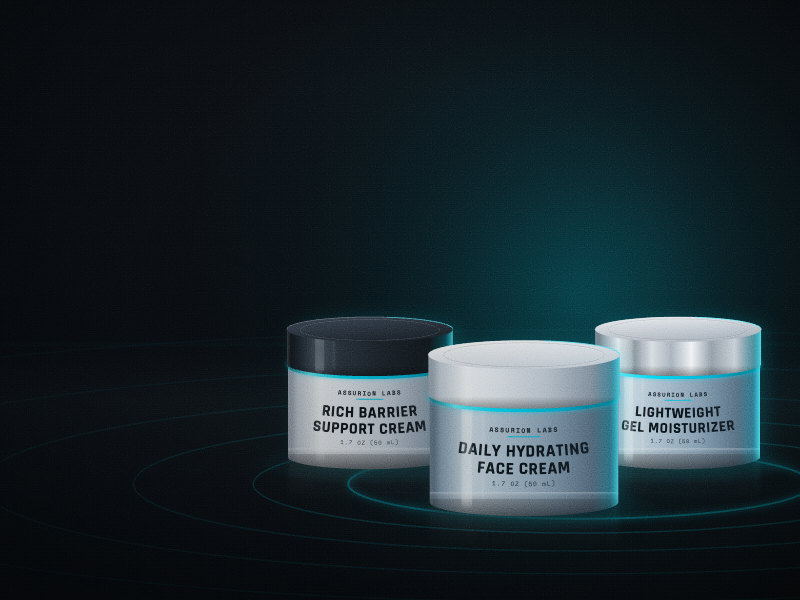
Creams with ceramides, shea butter or squalane help skin feel soft and comfortable.
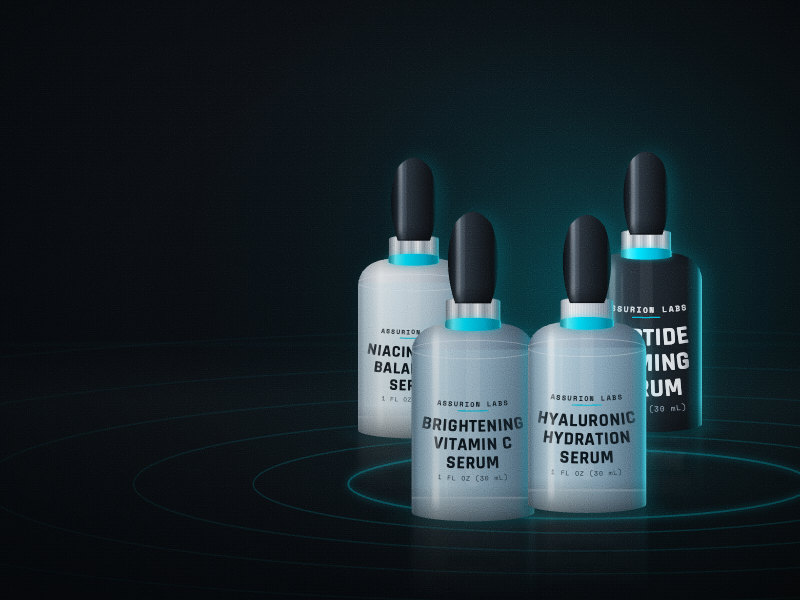
A hyaluronic acid serum layers under your cream to help skin feel hydrated.
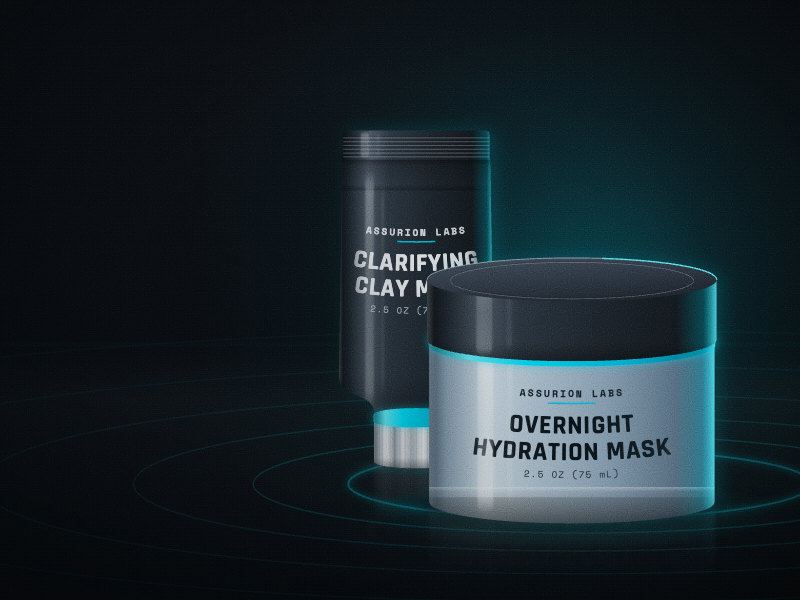
An overnight mask adds extra comfort on days when skin feels tight.
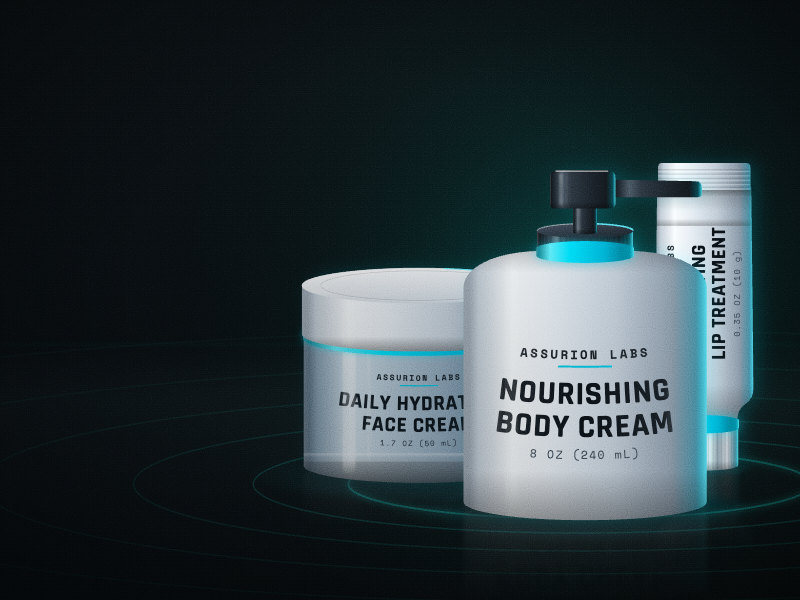
Dry-feeling skin is not only on the face, and a body cream extends the routine.
Featured products
A clear, water-light serum that layers on damp skin for a hydrated, bouncy feel.
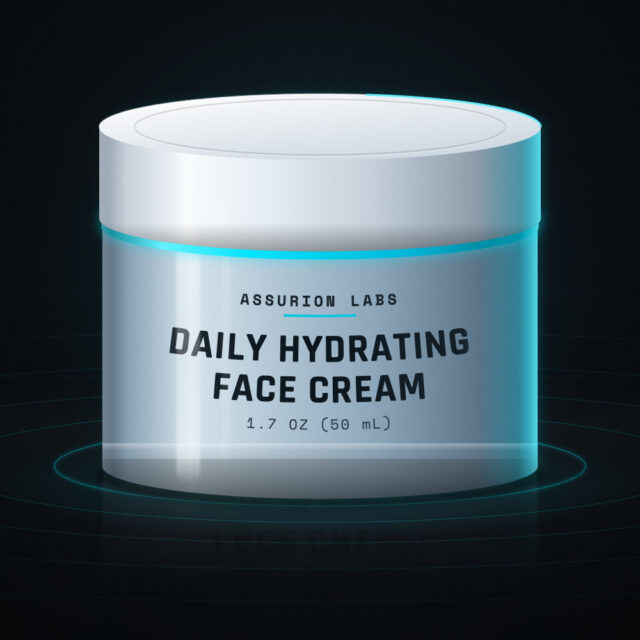
Lightweight daily moisture for skin that feels soft, comfortable, and refreshed.
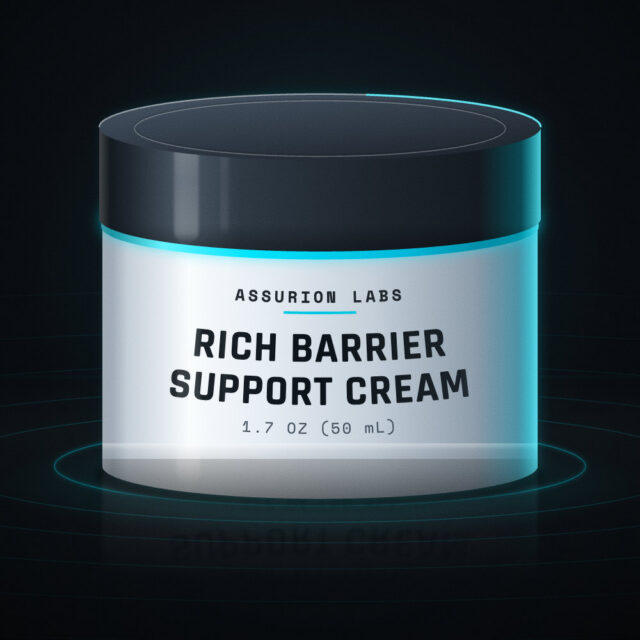
A dense, cushioning cream that helps dry skin feel soft and comfortable.
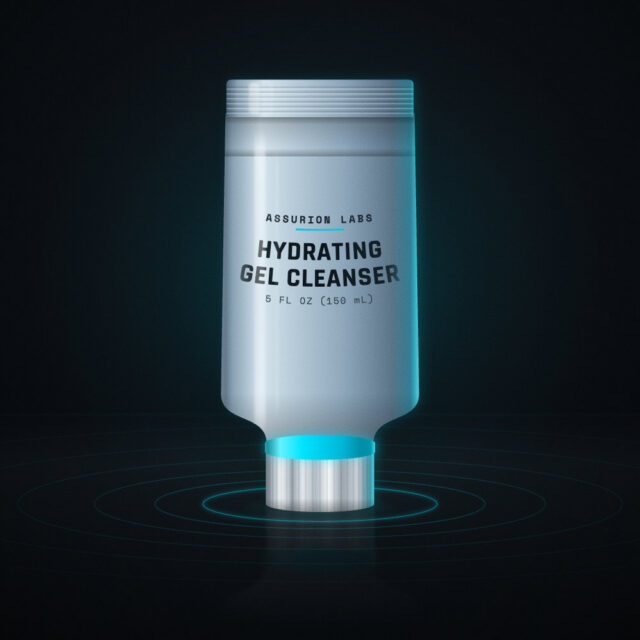
A clear, cushiony gel wash that leaves skin feeling soft and refreshed.
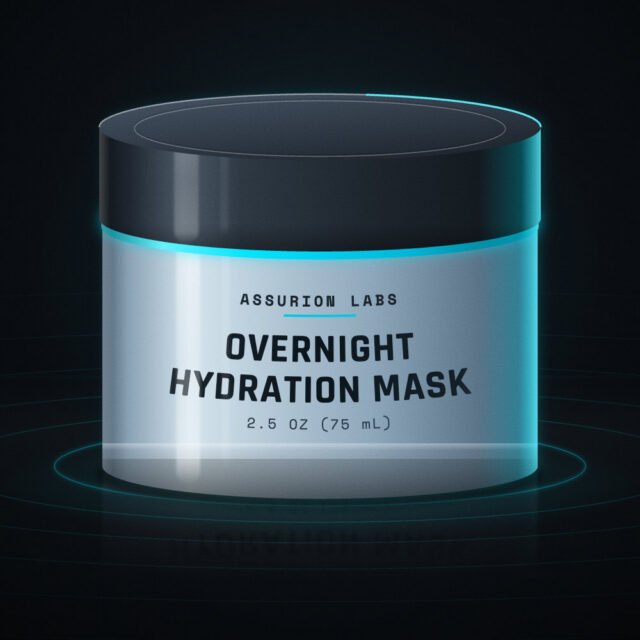
A cushiony sleeping mask that helps skin wake up soft, hydrated, and fresh-looking.
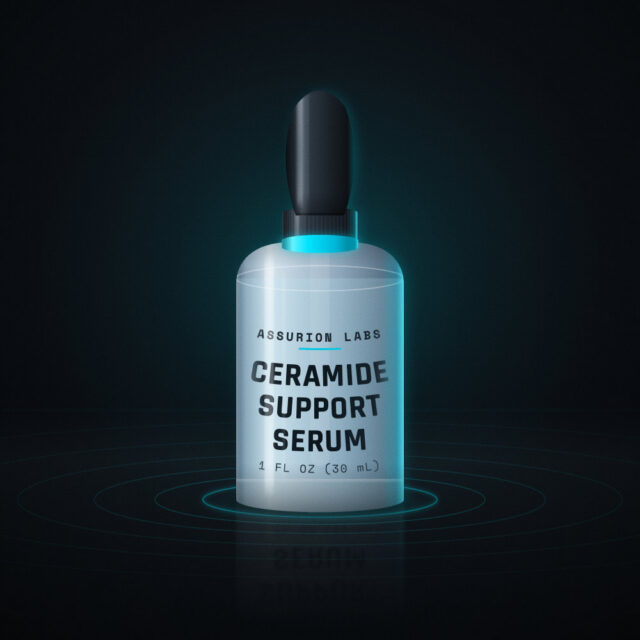
A cushiony, milky serum that helps dry, sensitive-feeling skin feel supple.
Simple routine
Keep it short. Add one step at a time, and give each change a little time before adding the next.
Wash with a gentle cleanser and lukewarm water, morning and evening. Pat skin dry and leave it slightly damp.
Smooth a few drops over damp skin to help it feel hydrated before your cream goes on.
Follow with a cream that helps skin feel soft and comfortable. If skin still feels tight, try a richer cream.
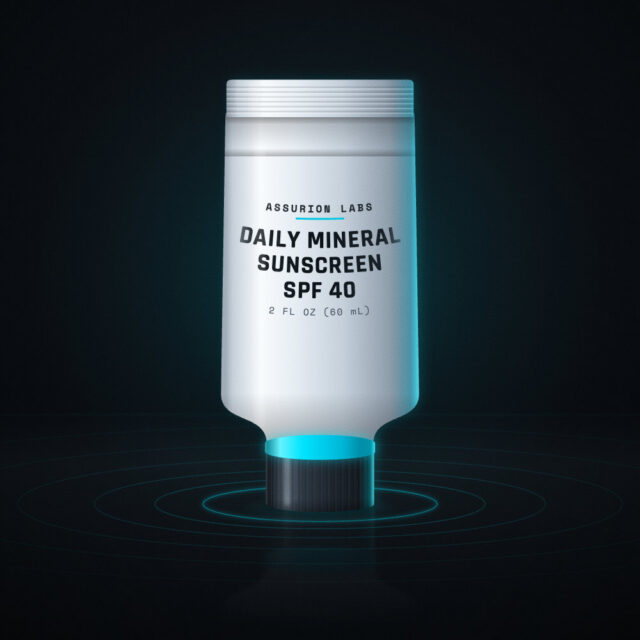
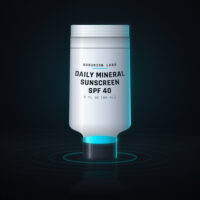
Finish your morning routine with sunscreen. It helps protect against UV when used as directed. Reapply at least every 2 hours and limit sun exposure.
Ingredient education
Short, plain-English explainers for what you will see on the label.
A humectant that occurs naturally in the body and is produced commercially for skin care. It attracts water and helps...
Read guide: Hyaluronic Acid Shop products with Hyaluronic Acid
Ceramides are lipids that occur naturally in the outer layer of skin, alongside cholesterol and fatty acids. In products they...
FAQ
Hydrating products, such as serums with hyaluronic acid, help skin feel hydrated. Moisturizers, such as creams with ceramides and squalane, help skin feel soft and comfortable and support a smoother-looking surface. Many routines use both.
Many people apply it within a minute or two of cleansing, while skin is still slightly damp. Morning and evening is a common rhythm, with a richer cream or an overnight mask at night if skin feels dry.
Yes, that is a common order. Thinner products go on first, so a serum goes before a cream. If you use sunscreen in the morning, it goes on last.
Some people switch to a richer cream, a gentler cleanser and a weekly hydrating mask when the air is cold or dry. Others keep the same routine all year. Adjust based on how your skin feels.
If your skin is cracked, itchy, painful or red, or it does not feel better with a gentle routine, talk with a qualified healthcare professional. Skin care products are cosmetics and are not intended to address a skin condition.
Keep reading
Build a Routine
Skin that feels tight or rough is often short on moisture. Here is how to layer hydrating products in a routine that stays simple.
Skin Types
What dry skin tends to feel like, the textures and ingredients that help it feel comfortable, and a simple routine to follow.
Ingredients
A plain-English look at hyaluronic acid: what it is, why it is a staple in hydrating products, and how to fit it into a simple routine.
Buying Guides
Match a moisturizer to your skin type, the texture you enjoy wearing and the time of day, with plain-English ingredient tips along the way.
Bundles & sets
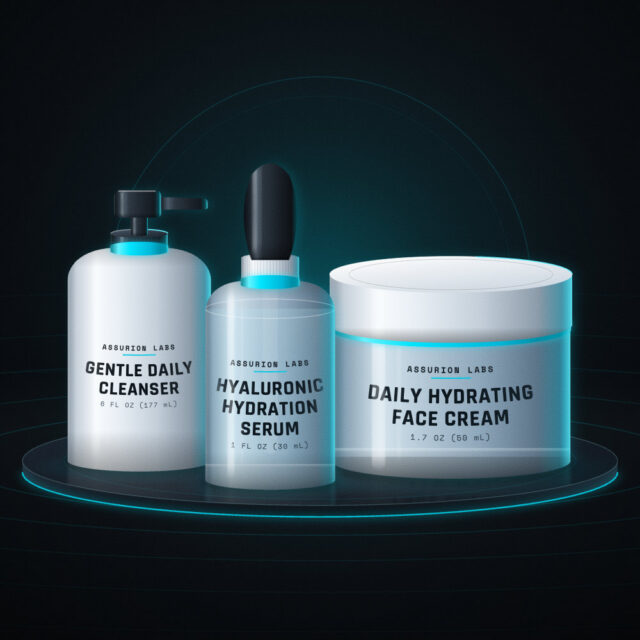 Bundle & Save
Skin care set
Three steps to help skin feel hydrated, soft, and comfortable.
Includes: Gentle Daily Cleanser, Hyaluronic Hydration Serum, Daily Hydrating Face Cream
$61.00
Bought separately: $72.00
Save $11 (15%)
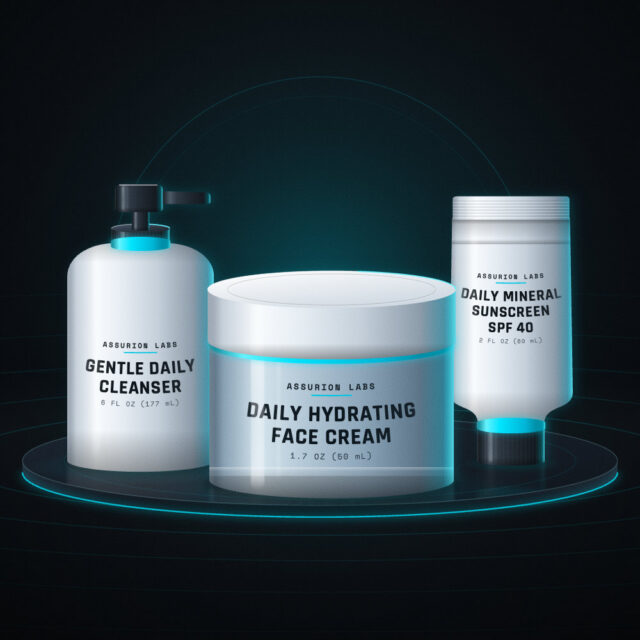 Bundle & Save
Skin care set
The everyday basics, in three easy steps.
Includes: Gentle Daily Cleanser, Daily Hydrating Face Cream, Daily Mineral Sunscreen SPF 40
$63.00
Bought separately: $74.00
Save $11 (15%)
This content is for general cosmetic and educational purposes only and is not medical advice. It is not intended to diagnose, treat, cure, or prevent any disease or skin condition. If you have a skin condition, are pregnant or nursing, or have concerns about a product, talk with a qualified healthcare professional.