On this page 7 sections
A good moisturizer helps skin feel soft and comfortable and helps hold water at the surface. The trick is finding one that suits your skin type, the season and the way you like your skin care to feel. This guide covers the basics so you can read a label with confidence and choose without guesswork.
Start with your skin type
Skin type is the easiest place to begin. If you are not sure of yours, our guide to identifying your skin type is a quick read.
- Dry skin: look for richer creams with ceramides, shea butter and nourishing oils. These help skin feel cushioned and comfortable.
- Oily or combination skin: lightweight gels and other non-heavy textures tend to feel best. They add moisture without a greasy finish.
- Sensitive-feeling skin: choose fragrance-free, gentle formulas with short ingredient lists, and patch test first.
- Dull-looking skin: hydration-focused ingredients such as hyaluronic acid and glycerin, plus antioxidants like vitamin C, can help skin look fresher and more even.
Know the key ingredients
Most moisturizers combine three kinds of ingredients. Knowing them makes labels much easier to read.
- Humectants such as glycerin and hyaluronic acid attract water toward the surface of the skin.
- Emollients such as squalane, shea butter and plant oils soften and smooth how skin feels.
- Occlusives such as waxes and petrolatum form a light seal that slows moisture from escaping.
Ceramides are fats that occur naturally in the skin’s outer layer, which is why they show up so often in creams made for dry-feeling skin.
Match the texture to your skin
Product names vary from brand to brand, so texture is often a better guide than the word on the jar.
| Texture | Feels like | Often suits |
|---|---|---|
| Gel or gel-cream | Light, fresh, quick to absorb | Oily or combination skin, warm weather |
| Lotion | Fluid and easy to spread | Normal skin, everyday use |
| Cream | Soft and cushiony | Normal to dry skin, cooler months |
| Rich cream or balm | Dense and comforting | Very dry-feeling skin, evenings, winter |
Day versus night
In the morning, choose something that layers well under sunscreen and makeup without pilling. In the evening you can go richer, since nothing else goes on top. Plenty of people use one moisturizer for both, and that is a perfectly good choice.
Sunscreen is its own step, separate from moisturizer. Our guide to choosing a sunscreen explains how to pick one.
Practical tips before you buy
- Apply moisturizer while your skin is still slightly damp after cleansing.
- Check the label for fragrance if your skin feels easily bothered.
- Try one new product at a time so you can tell what suits you.
- Give a new moisturizer a couple of weeks unless it stings or feels uncomfortable.
- Change texture with the seasons. Many people prefer lighter formulas in summer and richer ones in winter.
Where to go next
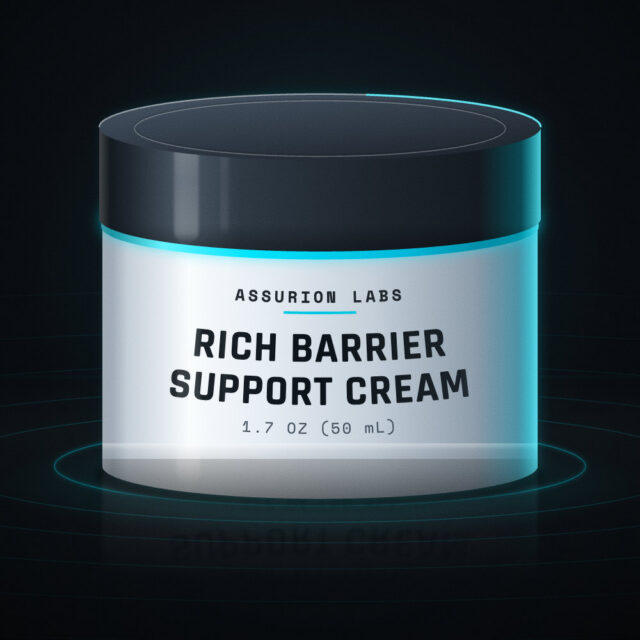
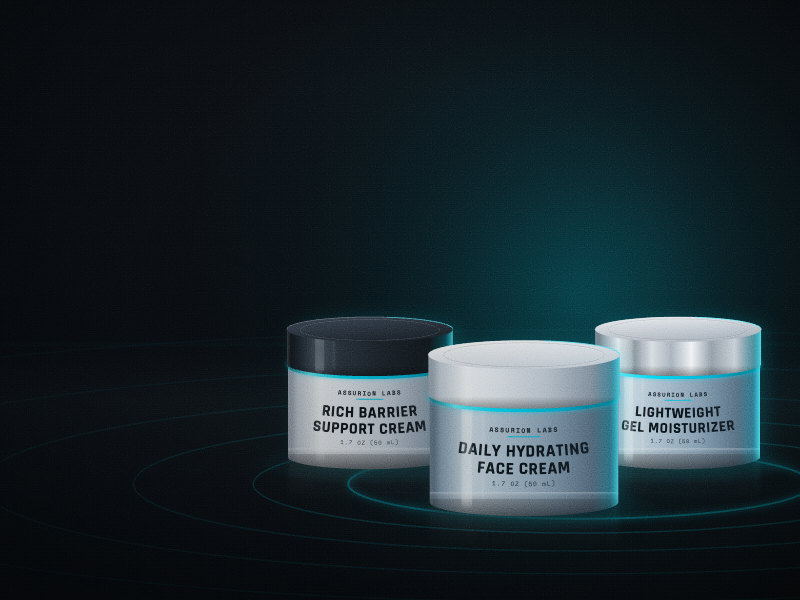
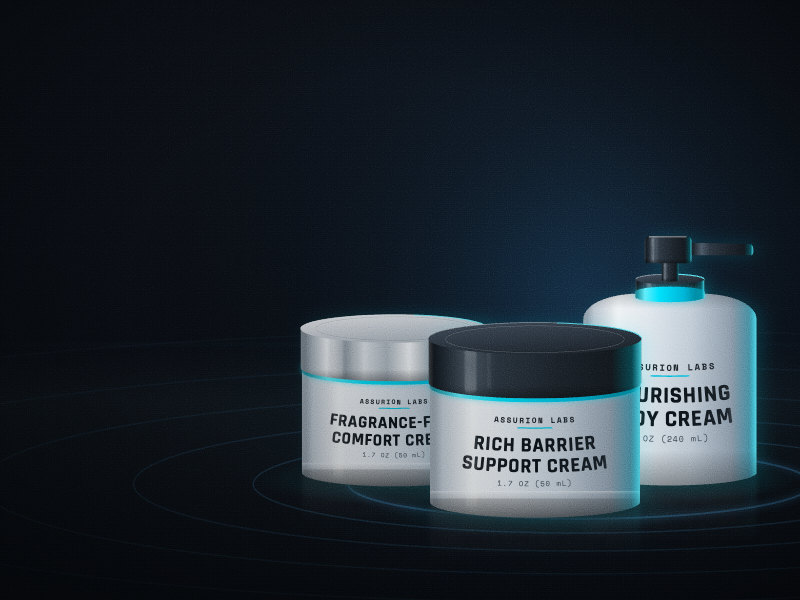
Browse all face creams and moisturizers to compare textures side by side. In our range, Rich Barrier Support Cream is a richer cream, and Lightweight Gel Moisturizer is a lighter gel-cream for skin that prefers a fresh finish. If you would like a full routine rather than a single product, the Find Your Routine quiz can point you to one.
Frequently asked questions
Do I need different moisturizers for day and night?
Not necessarily. Many people use the same one twice a day. A lighter daytime formula that layers well under sunscreen, plus a richer evening cream, is a common approach if you like extra comfort overnight.
Can I skip moisturizer if my skin is oily?
Skin that looks shiny can still feel tight or dehydrated, especially right after cleansing. A lightweight gel or lotion adds hydration without a heavy feel. If a product feels greasy, try a lighter texture rather than dropping the step.
How much moisturizer should I use?
Roughly a pea-sized to dime-sized amount covers the face and neck for most formulas. Use enough that skin feels comfortable without leaving a heavy layer, and follow the directions on the product.
Can I use my face moisturizer on my body, or the other way around?
You can, though they are designed for different needs. Body creams are often richer and made to cover larger areas, while face formulas tend to be lighter and made to sit under sunscreen and makeup. If a body product feels heavy or bothers your face, go back to a face formula.
What should I do if a new moisturizer stings?
Rinse it off and stop using it. Patch test new products on your inner forearm before applying them to your face. If irritation lingers or gets worse, talk with a healthcare professional.
This content is for general cosmetic and educational purposes only and is not medical advice. It is not intended to diagnose, treat, cure, or prevent any disease or skin condition. If you have a skin condition, are pregnant or nursing, or have concerns about a product, talk with a qualified healthcare professional.