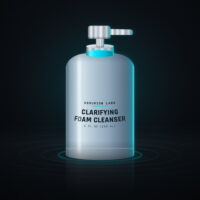
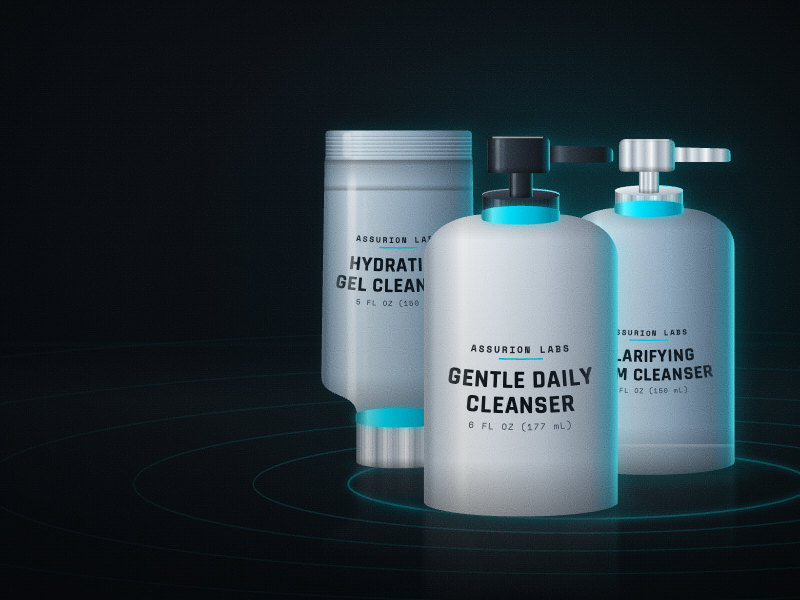

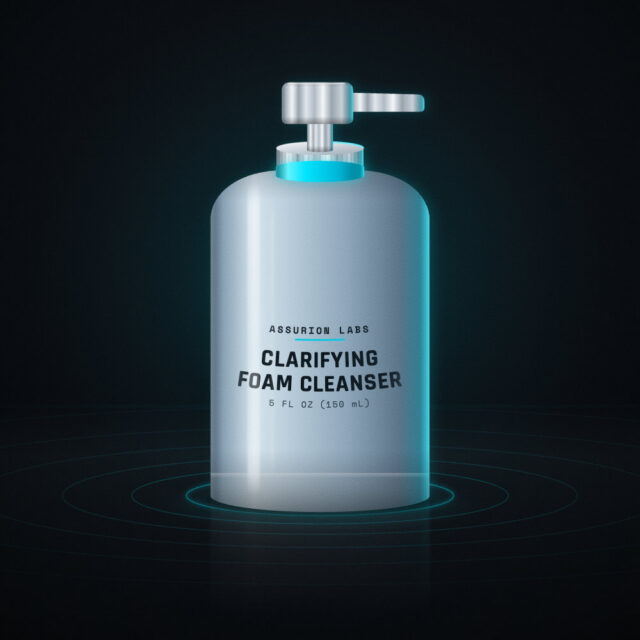
Clarifying Foam Cleanser
An airy, fresh-feeling foam that helps oily skin look clearer and smoother.
$18.00
Add to Cart
Skin care concern
Cosmetic care for blemishes, congestion and oily-looking skin, from a gentle cleanse to a lightweight moisturizer.
Overview
Shoppers who search for help with blemishes usually mean the occasional bump, skin that looks congested, visible pores, or a shiny, oily-looking finish by midday. These are cosmetic descriptions of how skin looks and feels. They are common, and they can shift with the seasons, your routine and the products you use.
Everyday habits tend to be simple. Cleanse twice a day with a gentle formula, avoid picking and harsh scrubbing, keep skin comfortable with a lightweight moisturizer and wear sunscreen daily. Common product types include foam or gel cleansers, niacinamide serums, salicylic acid formulas used a few evenings a week, and clay masks used occasionally. These products help skin look clearer and feel refreshed, and they can help the look of pores, but results vary and they do not replace professional advice. If skin problems are painful, persistent or widespread, talk with a qualified healthcare professional.
Where to start
Pick one or two of these and build from there. There is no need to buy everything at once.
A clarifying foam cleanser helps skin feel fresh and look less shiny.
Niacinamide and salicylic acid formulas focus on the look of pores and texture.
A clay mask used once in a while helps skin feel refreshed.
Lightweight gel moisturizers keep skin comfortable without a heavy feel.
Featured products
An airy, fresh-feeling foam that helps oily skin look clearer and smoother.

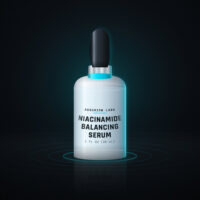
A silky, fast-absorbing serum that helps skin look smoother and more balanced.
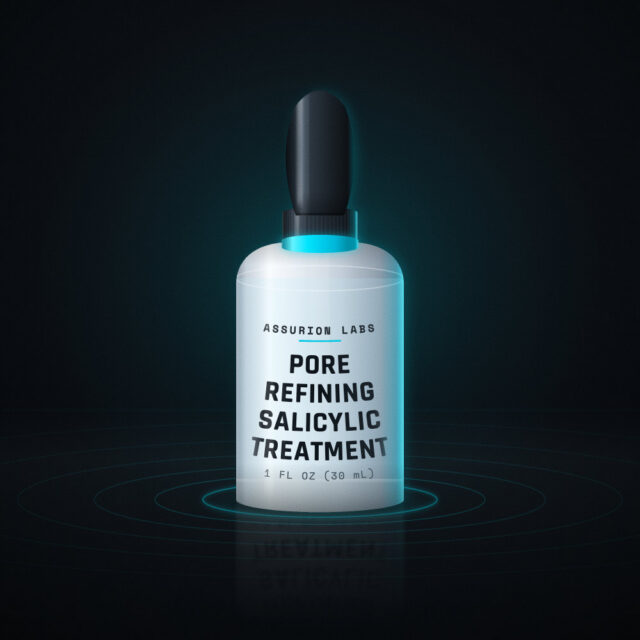
A lightweight salicylic serum that helps pores look cleaner and skin feel smoother.
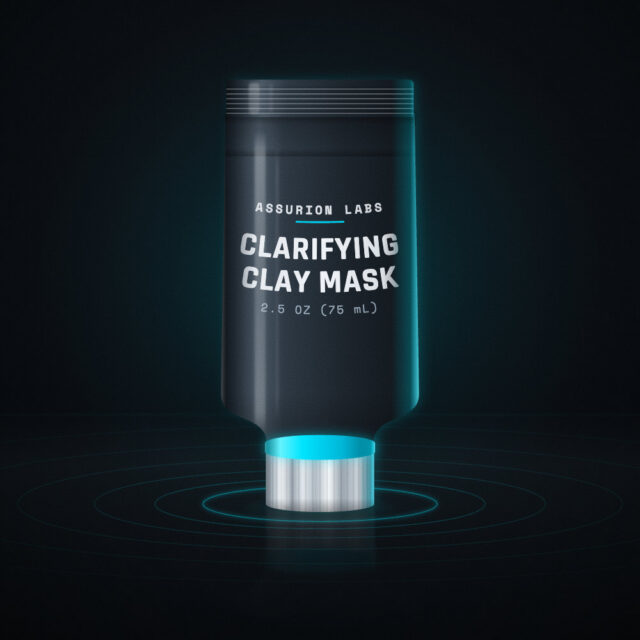
A rinse-off clay mask that helps skin look clearer and pores look cleaner.

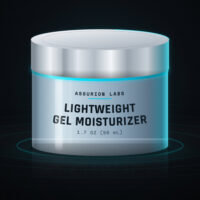
A cool water-gel that gives combination and oily skin light, fresh moisture.
Simple routine
Keep it short. Add one step at a time, and give each change a little time before adding the next.
Wash morning and evening with lukewarm water. Avoid scrubbing, which can leave skin feeling uncomfortable.
Apply a few drops after cleansing to help skin look balanced and pores look less noticeable.
Start with a couple of evenings a week, after a patch test. Wear sunscreen the next day, since exfoliating ingredients can make skin more sensitive to the sun.
Finish with a lightweight gel that helps skin feel comfortable without a heavy feel.
Ingredient education
Short, plain-English explainers for what you will see on the label.
Salicylic acid is a beta hydroxy acid (BHA) that dissolves in oil. It is a chemical exfoliant that helps loosen...
Read guide: Salicylic Acid Shop products with Salicylic Acid
Niacinamide is a water-soluble form of vitamin B3 that is stable in most formulas. It is not the same as...
A humectant that occurs naturally in the body and is produced commercially for skin care. It attracts water and helps...
Read guide: Hyaluronic Acid Shop products with Hyaluronic Acid
FAQ
These are cosmetic descriptions. Blemishes are visible bumps or marks, congestion is skin that looks or feels clogged, and oily-looking skin is a shiny finish that shows up during the day. Products can help the look of skin, but they do not replace professional advice.
Many people with oily-looking skin still like a lightweight gel moisturizer, because comfortable, hydrated-feeling skin is part of any routine. Look for light textures that do not feel heavy.
Start slowly, for example a couple of evenings a week, and follow the label directions. Increase only if skin feels comfortable, and pause if you notice dryness or stinging. Exfoliating ingredients can make skin more sensitive to the sun, so wear sunscreen daily.
It is best not to. Picking and hard scrubbing can leave skin feeling irritated and can make marks more visible. Gentle cleansing and patience are the usual advice.
If breakouts are painful, deep or widespread, leave marks that concern you, or affect how you feel about yourself, talk with a qualified healthcare professional. Also ask before adding new products if you already use a prescription skin product.
Keep reading
Skin Types
How oily skin tends to look and feel, the lightweight textures and ingredients that suit it, and a simple routine that keeps it balanced.
Ingredients
Salicylic acid is an exfoliating ingredient popular for the look of pores, texture and oily-looking skin. Learn how to use it gently.
Ingredients
Niacinamide is a versatile ingredient for smoother-looking, more balanced skin. Learn how it works in a formula and how to add it to your routine.
Buying Guides
Compare gel, foam, cream and oil cleansers, match one to your skin type and learn how to cleanse without leaving skin feeling tight.
Bundles & sets
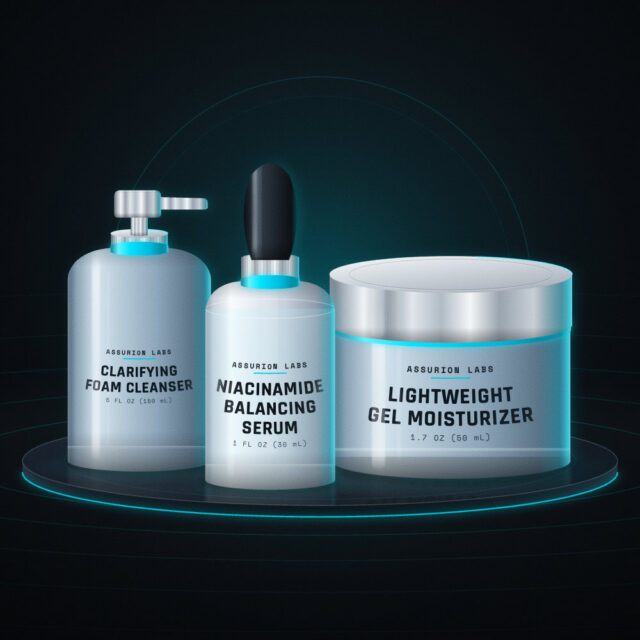 Bundle & Save
Skin care set
A lightweight routine for skin that looks clear and feels balanced.
Includes: Clarifying Foam Cleanser, Niacinamide Balancing Serum, Lightweight Gel Moisturizer
$60.00
Bought separately: $70.00
Save $10 (14%)
This content is for general cosmetic and educational purposes only and is not medical advice. It is not intended to diagnose, treat, cure, or prevent any disease or skin condition. If you have a skin condition, are pregnant or nursing, or have concerns about a product, talk with a qualified healthcare professional.