On this page 8 sections
Ingredient facts
Niacinamide
- What it is
- Niacinamide is a water-soluble form of vitamin B3 that is stable in most formulas. It is not the same as niacin.
- Why it is commonly used
- It is commonly used to help skin look smoother, pores look less noticeable and oily-looking skin look more balanced. It is also used to help improve the look of uneven tone.
- Common product types
- Lightweight serums are the most common, plus moisturizers, cleansers, toners and sunscreens.
- How to add it to a routine
- Apply a few drops after cleansing and before moisturizer, morning or evening. Start once a day or every other day and build up.
- Pairs well with
- Hyaluronic acid, ceramides, peptides and sunscreen. It can share a routine with vitamin C, or be split into morning and evening if skin feels irritated.
- Usage considerations
- Patch test first, and introduce it slowly. Higher strengths can cause warmth or tingling in some people, so stop use if it is uncomfortable.
Niacinamide turns up in serums, moisturizers, cleansers and sunscreens made for very different skin types, and it tends to play well with the rest of a routine. That flexibility makes it a common first active ingredient. Here is what it is, why people use it and how to start.
What niacinamide is
Niacinamide is a form of vitamin B3. It is water-soluble and stable in most formulas, which is one reason it appears in so many products. You may also see it listed as nicotinamide. It is not the same as niacin, which is a different form of vitamin B3.
Why it is commonly used in skin care
People use niacinamide for a handful of cosmetic reasons.
- To help skin look smoother and pores look less noticeable.
- To help balance the look of oily or shiny skin.
- To help improve the look of uneven tone.
- To help skin feel comfortable and look fresher.
Changes in how skin looks tend to be gradual. Give a new product a few weeks of steady use before deciding whether it suits you.
Common product types
Niacinamide is most common in lightweight serums. It is also added to moisturizers, cleansers, toners, sunscreens and masks, so you can meet it in several steps of a routine.
Strengths on labels vary widely. A higher percentage can cause tingling or a flushed look in some people, so more is not always better.
How to add it to a simple routine
- Cleanse and pat your skin dry.
- Apply a few drops of niacinamide serum to the face, avoiding the eye area.
- Moisturize with a lightweight gel or an everyday cream.
- Finish with sunscreen in the morning.
Morning, evening or both all work. If your skin is sensitive or new to active ingredients, start once a day or every other day and build up. Because it fits in either half of the day, it is easy to slot into a new routine, and our guide to building a simple routine shows where it fits.
What it pairs well with
- Hyaluronic acid and ceramides add hydration and comfort.
- Vitamin C can share a routine with niacinamide. If layering the two bothers your skin, split them, with one in the morning and one in the evening.
- Retinol and exfoliating acids are generally easy to layer with niacinamide, but introduce one new product at a time so you can tell what is working.
- Sunscreen stays the last step each morning. Some sunscreens and moisturizers contain niacinamide, so check the label before doubling up.
Usage considerations
- Patch test before first use: a small amount on the inside of your forearm for 24 hours is a simple way to spot an obvious reaction.
- Some people notice warmth, flushing or tingling, especially with higher-strength formulas. If it lasts or is uncomfortable, stop use and rinse.
- Introduce it slowly, and add only one new product at a time.
- If breakouts are persistent, painful or leaving marks, talk with a healthcare professional rather than adding more products.
Where to go next
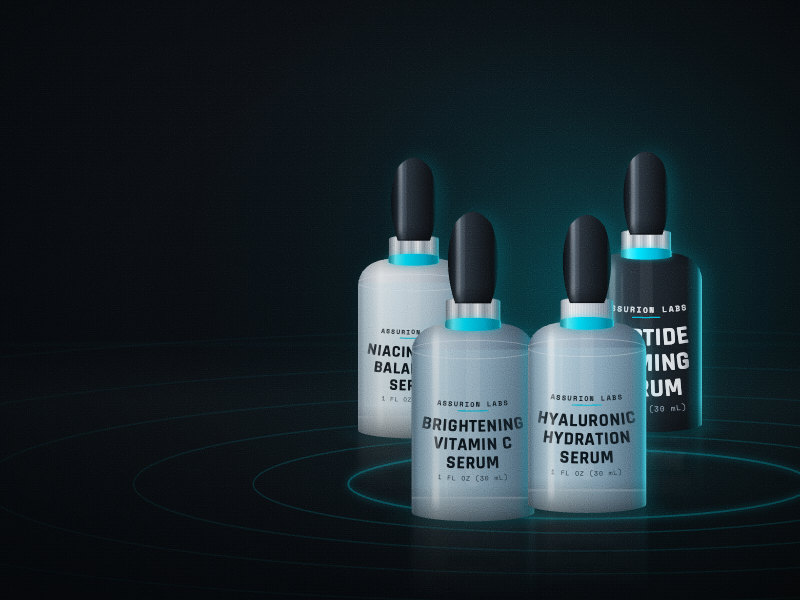
The Niacinamide Balancing Serum from Assurion Labs is a light serum built around this ingredient. You can see every product that contains it in the niacinamide collection, browse the blemishes and breakouts page for pore-focused picks, or compare other ingredients on the Shop by Ingredient page.
Frequently asked questions
Is niacinamide the same as niacin?
No. Both are forms of vitamin B3, but they are different molecules. Niacinamide is the form used in skin care.
Can I use niacinamide every day?
Most people can, morning or evening. Start once a day or every other day if your skin is sensitive, and watch how it feels. Cut back if you notice flushing, tingling or dryness.
Is niacinamide a good choice for oily skin?
It is popular for oily-looking skin because it is lightweight and is used to help balance the look of shine and refine the look of pores. It suits other skin types too, since it adds no heavy texture.
Can niacinamide help with the look of dark spots?
It is often used to help improve the look of uneven tone, and gradual change is typical. Daily sunscreen matters as much as any serum for keeping tone looking even. If a spot is new, changing or unusual, see a healthcare professional.
This content is for general cosmetic and educational purposes only and is not medical advice. It is not intended to diagnose, treat, cure, or prevent any disease or skin condition. If you have a skin condition, are pregnant or nursing, or have concerns about a product, talk with a qualified healthcare professional.
Patch test before first use: apply a small amount to the inside of your forearm and wait 24 hours. Stop use and rinse if irritation occurs. For external use only. Avoid contact with eyes.