On this page 6 sections
A cleanser has one job: to remove sunscreen, makeup, sweat and excess oil without leaving skin feeling tight. It is the step you repeat most often, so getting it right makes everything after it easier. Here is how to choose one.
Cleanser types at a glance
| Type | Feels like | Often suits |
|---|---|---|
| Gel | Clear and jelly-like, with a light lather | Normal, combination and oily-feeling skin |
| Foam | Airy lather and a very clean finish | Oily-feeling skin |
| Cream or lotion | Milky, with little or no lather | Dry or sensitive-feeling skin |
| Oil or balm | Melts into skin, then rinses or wipes off | Removing sunscreen and makeup |
Match it to your skin type
- Dry: a cream or lotion cleanser, or a gentle gel with hydrating ingredients such as glycerin. Skip anything that leaves skin tight.
- Oily: a gel or foam cleanser that cleans well without leaving your face squeaky.
- Combination: a gentle gel usually works across both the oilier and drier zones.
- Normal: the field is wide open, so pick the texture you enjoy using.
- Sensitive-feeling: a fragrance-free cream or gentle gel with a short ingredient list.
What to check on the label
Ingredient lists can be long, so focus on a few things.
- If your skin feels easily bothered, look for fragrance-free formulas.
- Look for gentle, hydrating ingredients such as glycerin.
- Be cautious with gritty scrubs if your skin tends to feel dry or sensitive.
- Cleansers with exfoliating acids are usually best saved for a few times a week rather than every wash.
A cleanser that foams is not automatically harsh, and one that does not foam is not automatically gentle. The best test is how your skin feels ten minutes after rinsing.
Signs a cleanser suits you:
- Skin feels clean and soft rather than tight, stinging or squeaky
- Sunscreen and makeup come off without a lot of rubbing
- There is no greasy film left behind
- Your moisturizer goes on smoothly afterward
How to cleanse well
- Wet your face with lukewarm water. Very hot water can leave skin feeling dry.
- Massage a small amount of cleanser over your face for 30 to 60 seconds.
- Rinse thoroughly, including along the hairline and jaw.
- Pat dry with a clean towel, then move on to the rest of your routine while skin is slightly damp.
The evening cleanse is the one most worth doing, because that is when sunscreen, makeup and the day’s build-up come off. On days with heavy sunscreen or makeup, some people cleanse twice: an oil or balm first, then a gel or cream cleanser. In the morning, people with dry skin often just rinse with water. Twice a day is plenty, and cleansing more often can leave skin feeling tight.
Where to go next
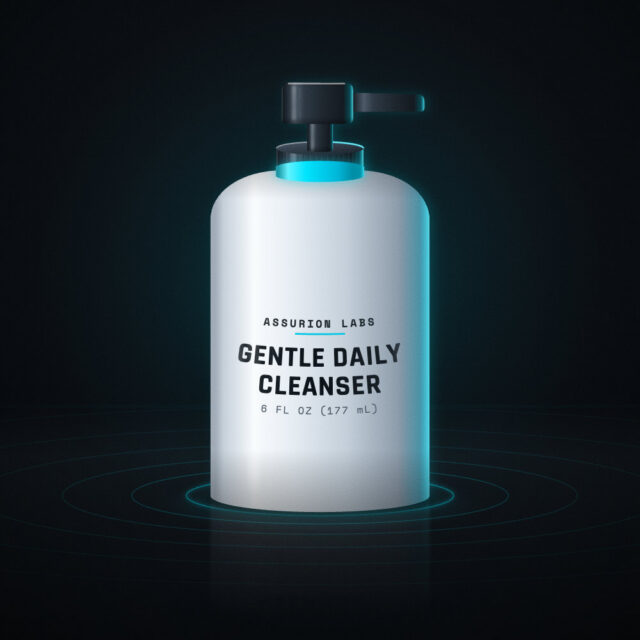
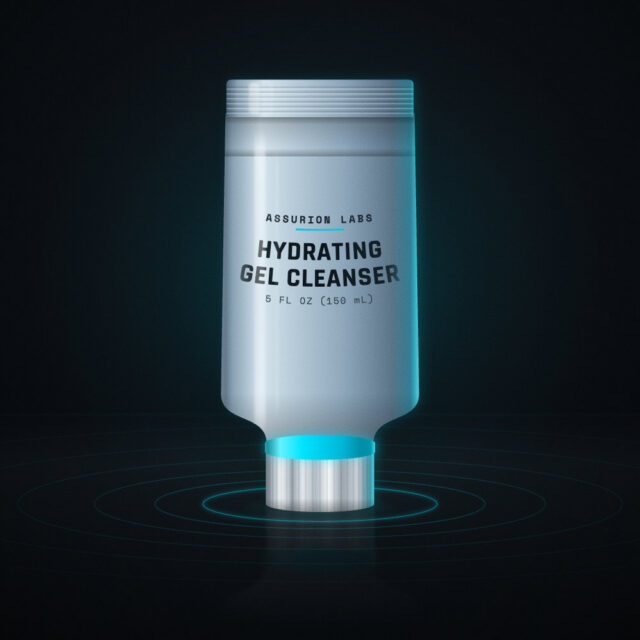
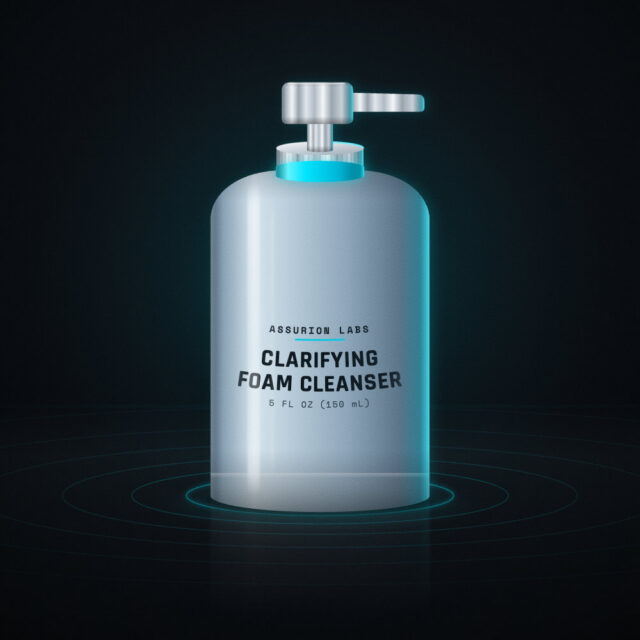
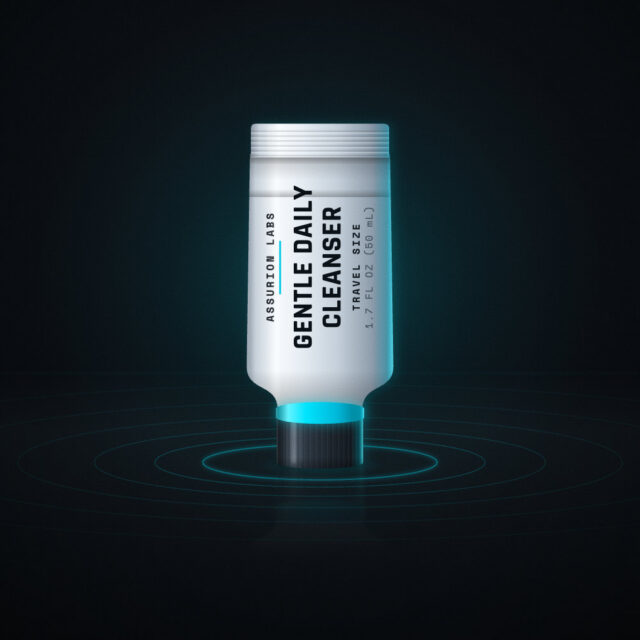
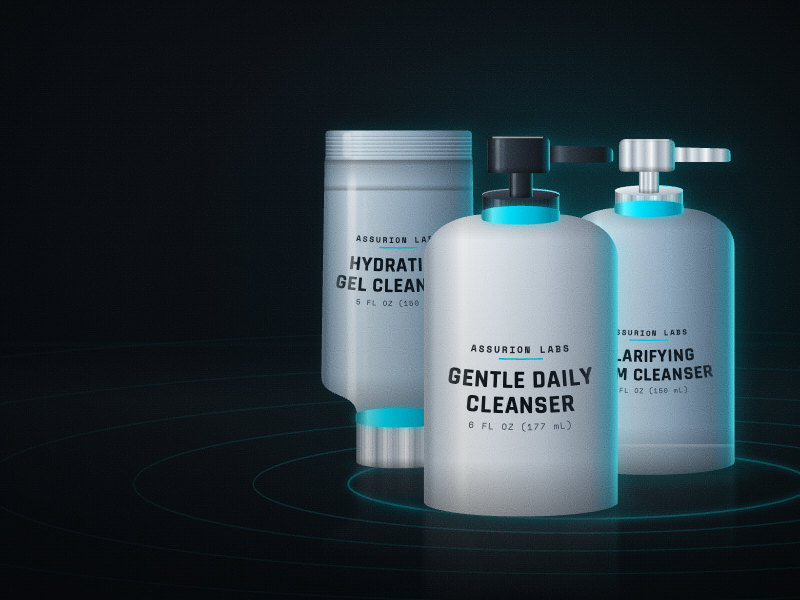
Once you know the texture you want, browse all cleansers. In our range, Gentle Daily Cleanser is an everyday option, Hydrating Gel Cleanser is a gel, and Clarifying Foam Cleanser is a foaming choice. Not sure which skin type you have? Read how to identify your skin type, or take the Find Your Routine quiz.
Frequently asked questions
How long should I leave cleanser on my face?
Thirty to sixty seconds of gentle massage is enough for most cleansers, then rinse. Leaving a cleanser on longer does not clean better, and some formulas, such as those with exfoliating acids, are meant to be rinsed off promptly. If the label gives a contact time, follow it.
What is double cleansing?
Double cleansing means using an oil or balm cleanser first, then a water-based one. It can help on days you wear a lot of sunscreen or makeup, but it is optional. Many people do well with a single gentle cleanser.
Is a foaming cleanser bad for my skin?
No. Foam is simply a texture. If your skin feels comfortable afterward, it is a good match. If it feels tight or stings, try a gel or cream cleanser instead.
Can I use body wash or bar soap on my face?
Face and body products are made for different needs, and facial skin is usually more delicate. A cleanser made for the face is the more comfortable choice for most people.
How do I know a cleanser is too strong for me?
Tightness, stinging or a squeaky feeling after rinsing are the usual signs. Switch to a gentler texture and see how your skin responds. If irritation persists, talk with a healthcare professional.
This content is for general cosmetic and educational purposes only and is not medical advice. It is not intended to diagnose, treat, cure, or prevent any disease or skin condition. If you have a skin condition, are pregnant or nursing, or have concerns about a product, talk with a qualified healthcare professional.