On this page 8 sections
Almost everyone makes a few of these at some point, usually with good intentions. The good news is that most fixes are simple: use fewer products, use them more gently, and give them time.
Too many products, too fast
A new serum, toner, exfoliant, and mask all in one week can leave skin uncomfortable, and you will not know which product to blame. Build the basics first, then add one product at a time, waiting a week or two between additions. Patch test each one. Our guide to patch testing shows how.
Cleansing and exfoliating too much
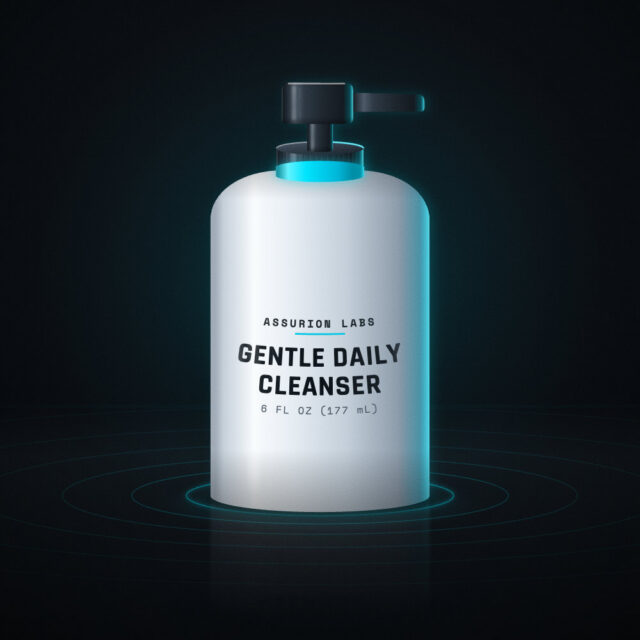
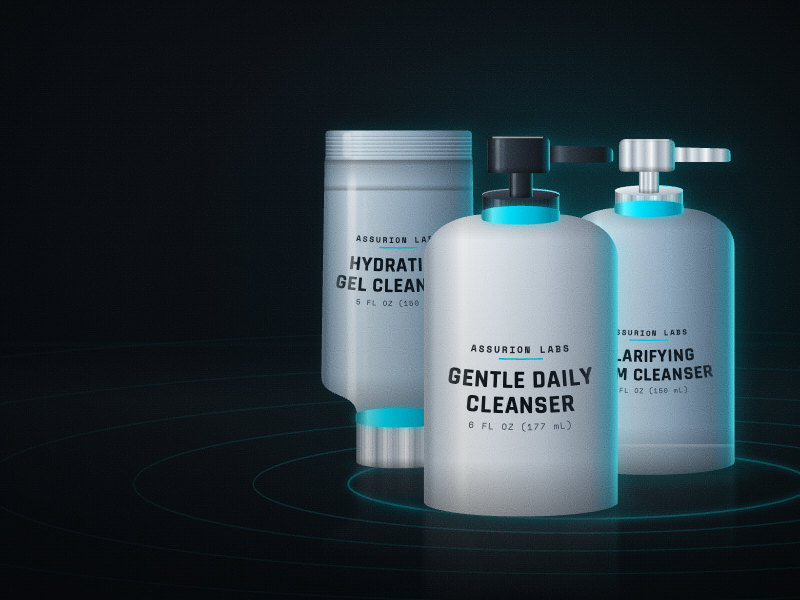
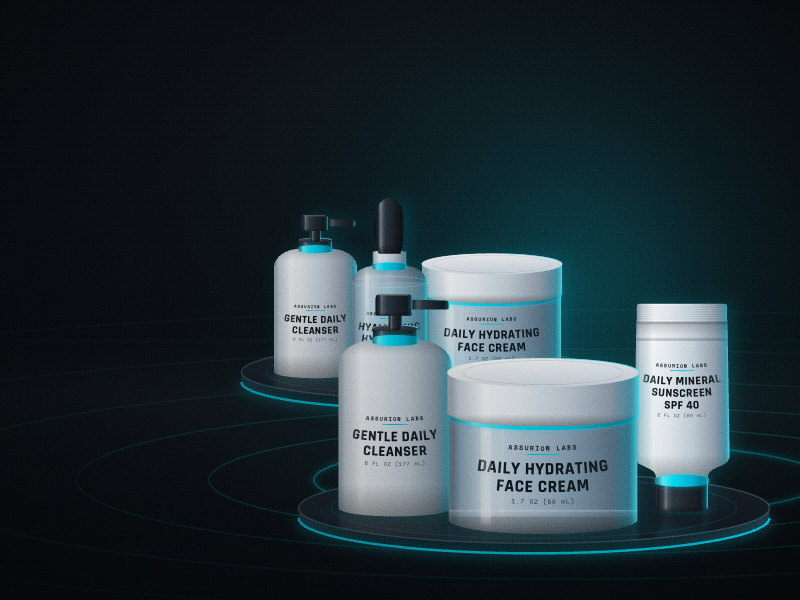
Skin that feels squeaky, tight, or stingy after washing has usually been cleansed too hard. Wash twice a day at most, use lukewarm water, and choose a mild cleanser such as Gentle Daily Cleanser.
Exfoliating products, whether scrubs, acids, or enzymes, are best started at once or twice a week, and used less if your skin is sensitive-feeling. Follow the directions on each product, since strengths differ. If your skin feels tight or sore or looks red, pause exfoliating and stick with cleanser and moisturizer until it feels comfortable. Scrubbing or picking at blemishes can also make marks last longer, so keep your hands off when you can.
Skipping sunscreen or moisturizer
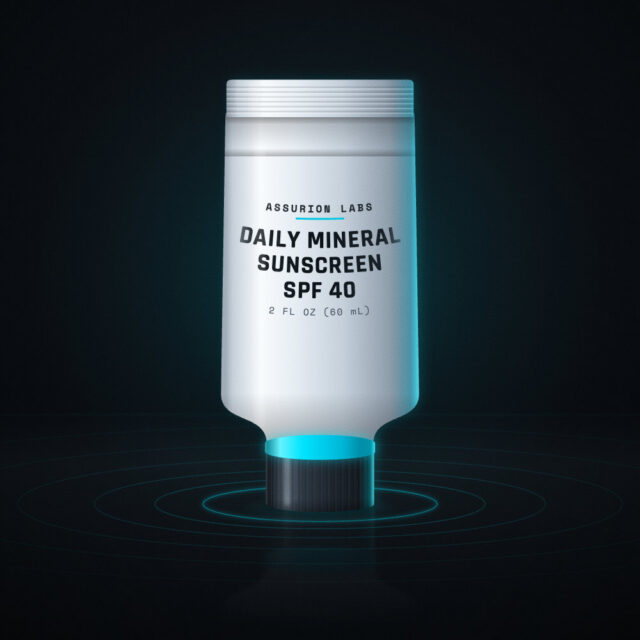
Sunscreen is one of the most useful steps in a morning routine. Follow the directions on the label, reapply at least every two hours when you are outdoors, and limit your sun exposure. If you are unsure which to pick, browse our sunscreens.
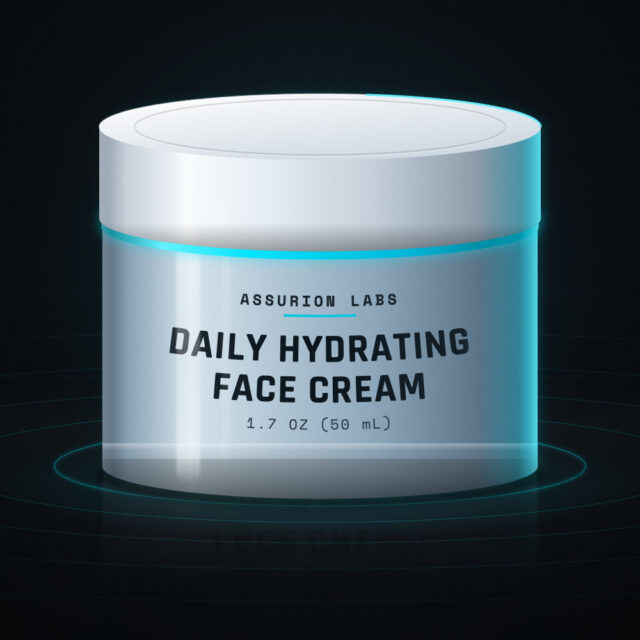
Moisturizer is not only for dry skin. Oilier skin still likes water, and a lightweight gel keeps it comfortable without feeling heavy.
Going to bed without cleansing
It happens, especially on tired nights. Whenever you can, do at least a quick cleanse before bed to remove sunscreen, makeup, and the day’s buildup. If you are too tired for a full routine, cleanser and moisturizer are enough.
Expecting overnight results
Skin care is gradual. Switching products every week or two, or doubling up because you are impatient, usually causes more trouble than it solves. Give a new routine several weeks unless it bothers your skin. Products help skin look and feel its best, but they do not change your skin type.
Copying someone else’s routine is another common trap. Skin differs from person to person, so start from your own skin type and what you would like to change.
Quick fixes at a glance
| Mistake | Try instead |
|---|---|
| Too many new products | Add one at a time, patch tested |
| Over-cleansing | Gentle cleanser, twice a day at most |
| Over-exfoliating | Start with once or twice a week, and pause if skin feels sore |
| Skipping sunscreen | Broad-spectrum SPF 30 or higher, last step each morning |
| Switching constantly | Give a routine several weeks |
| Ignoring directions | Read the label and layer thin to thick |
Where to go next
Start over with the basics in how to build a simple skin care routine, and check what order to apply skin care if layering feels confusing. For a ready-made starting point, browse our bundles and sets or take the Find Your Routine quiz.
Frequently asked questions
How do I know if I am over-exfoliating?
Common signs are tightness, stinging, redness, or skin that looks shiny and feels rough at the same time. Pause exfoliating, stick with cleanser and moisturizer, and return slowly with fewer uses per week. If discomfort continues, ask a healthcare professional.
Is it okay to change my routine often?
It is better to change one thing at a time and give it several weeks. Frequent switching makes it hard to tell what is working and can leave skin uncomfortable.
Can I use more product to get results faster?
More product rarely means faster results. Use the amount in the directions, since extra can leave skin sticky, cause pilling, or irritate.
How many products is too many?
There is no magic number, but if you cannot say what each product is for, it is probably too many. Start with three and add only what has a clear purpose.
This content is for general cosmetic and educational purposes only and is not medical advice. It is not intended to diagnose, treat, cure, or prevent any disease or skin condition. If you have a skin condition, are pregnant or nursing, or have concerns about a product, talk with a qualified healthcare professional.