On this page 6 sections
Your skin type is shorthand for how your skin usually behaves: how much oil it makes and how it feels through the day. Knowing it helps you choose textures, like a light gel or a rich cream, that feel comfortable. You can work it out at home in under an hour with no special tools.
This is simple observation, not a medical assessment, and your skin can shift with the seasons, the climate, and age.
The bare-face test
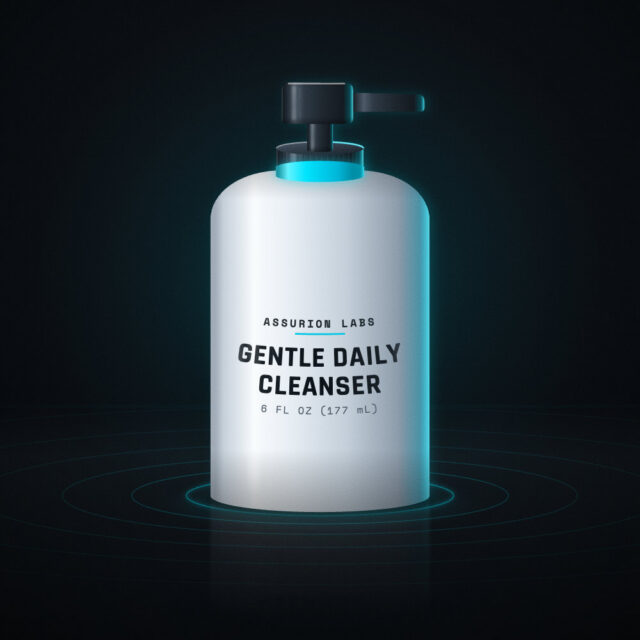
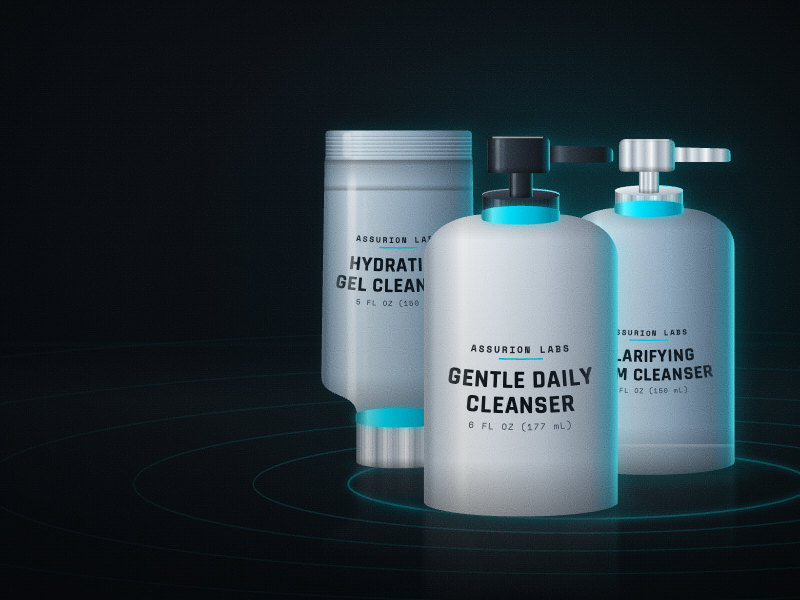
- Wash your face with a gentle cleanser and lukewarm water, then pat dry. Gentle Daily Cleanser is one example of a mild option.
- Leave it bare. Do not apply serum, moisturizer, or sunscreen.
- Wait 30 to 60 minutes. Go about your day, but try not to touch your face.
- Check in good light. Look at your forehead, nose, and chin (the T-zone), then your cheeks. Notice how the skin feels and looks.
For an extra check, gently press a clean tissue or blotting paper on your forehead, nose, and cheeks, and see where oil shows up. Try the test on an ordinary evening, or first thing in the morning before you apply anything.
What you might notice
| What you notice | Often described as |
|---|---|
| Feels tight, rough, or flaky. Little to no shine. | Dry |
| Shiny all over, and pores look larger. | Oily |
| Shine in the T-zone, with comfortable or dry cheeks. | Combination |
| Comfortable. Not shiny, not tight. | Normal |
| Stings, tingles, or flushes easily with new products. | Sensitive-feeling |
Sensitive-feeling skin is about how your skin reacts, so it can go along with any of the other types.
How to use your result
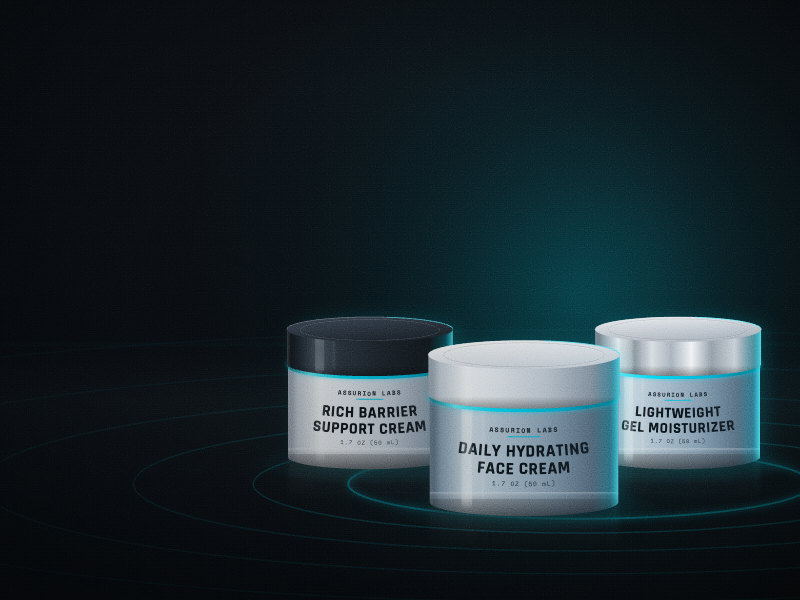
Use your result as a starting point for texture, not a rule. Dry skin often likes creamy cleansers and richer moisturizers. Oily skin often likes gels, such as Lightweight Gel Moisturizer. Combination skin can use a light moisturizer all over, with a little extra on dry areas. Normal skin has the widest choice. Sensitive-feeling skin tends to do well with fragrance-free products, such as Fragrance-Free Comfort Cream, and a short routine.
Things that can skew your result
- Harsh cleansing. A strong cleanser can leave skin tight, which can look like dry skin even if yours is not.
- Timing. Test on an ordinary day, not right after a workout, a long flight, or a change of products.
- Season. Many people notice drier skin in winter and oilier skin in summer. Repeat the test when the weather changes.
- Leftover products. Sunscreen or moisturizer residue can hide oil or dryness, so make sure your face is properly clean before you start.
If you have ongoing stinging, redness, or discomfort that a gentle routine does not settle, ask a healthcare professional rather than trying to sort it out at home.
Where to go next
Once you have a best guess, read the guide that matches it:
- Skin care for dry skin
- Skin care for oily skin
- Skin care for combination skin
- Skin care for normal skin
- Skin care for sensitive skin
Still unsure? The Find Your Routine quiz has an “I am not sure” option and will still suggest a simple starting routine.
Frequently asked questions
Can I have more than one skin type?
Combination skin is exactly that: an oilier T-zone with drier or normal cheeks. Beyond that, most people have one main type, plus sensitivity as a separate trait.
Does my skin type change over time?
It can. Age, climate, seasons, and your routine can all shift how your skin behaves. Repeat the bare-face test a couple of times a year, or whenever your skin feels different.
Is sensitive skin a skin type?
It is often listed as one, but it is better thought of as how easily your skin reacts. You can have dry, sensitive-feeling skin or oily, sensitive-feeling skin. Fragrance-free products and patch testing help either way.
What if my results are unclear?
That is common. Start with gentle, balanced products and adjust as you learn how your skin feels through the day, or use the quiz for a starting point.
This content is for general cosmetic and educational purposes only and is not medical advice. It is not intended to diagnose, treat, cure, or prevent any disease or skin condition. If you have a skin condition, are pregnant or nursing, or have concerns about a product, talk with a qualified healthcare professional.