On this page 6 sections
Dry skin makes less oil than balanced skin, so it can feel tight after cleansing, look a little rough or flaky, and lose comfort quickly in cold or dry air. Dry skin is a skin type, not a fault, and how it feels often changes with the seasons. A few well-chosen textures and habits go a long way.
How dry skin tends to feel
- Tight or uncomfortable after washing your face
- Rough-looking or slightly flaky patches, especially in winter
- A dull-looking finish
- Makeup that clings to dry areas
Dry skin is not quite the same as dehydrated skin. Dry skin lacks oil, while dehydrated skin lacks water, and any skin type can feel dehydrated. Dry skin often needs both hydration and a cream to keep it in.
What to look for
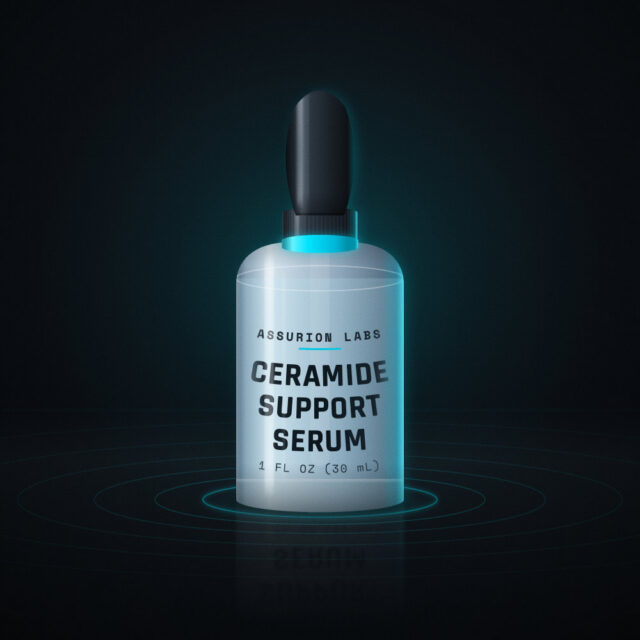
- Ceramides and shea butter help skin feel cushioned and comfortable.
- Glycerin and hyaluronic acid attract water to the surface of the skin.
- Squalane and nourishing oils soften how skin feels.
- Cream or lotion cleansers rinse clean without a tight feeling.
Texture matters as much as ingredients. A cream or balm usually feels more comforting on dry skin than a thin lotion, which can fade within a few hours.
A simple routine
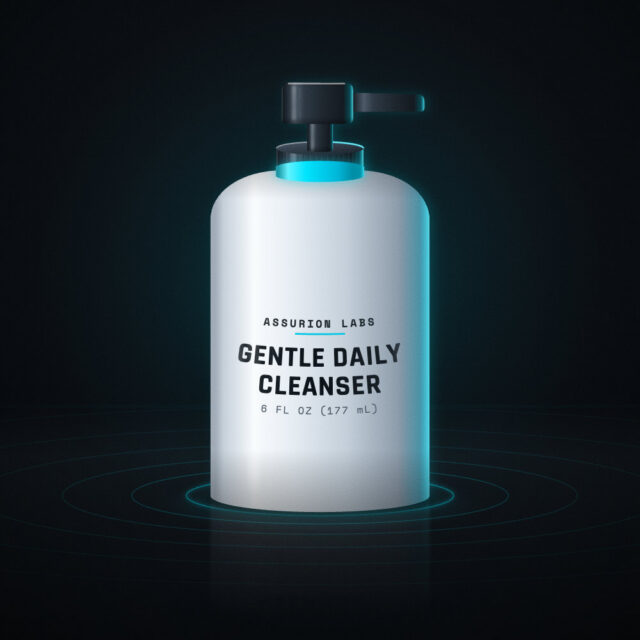
- Cleanse gently with a cream or mild gel cleanser, or simply rinse with water in the morning.
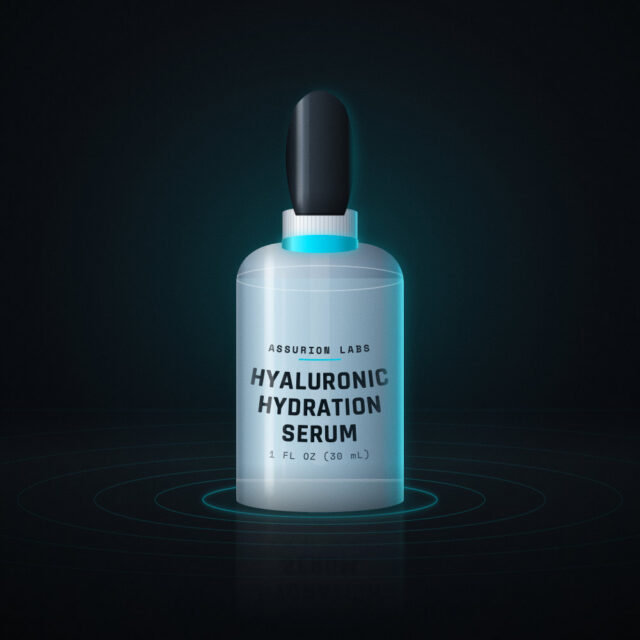
- Hydrate with a hydrating serum pressed onto damp skin.
- Moisturize with a rich cream to help seal it in. Our guide to choosing a face moisturizer explains textures.
- Protect with sunscreen every morning.
In the evening, repeat the same steps with a richer cream if you like. Go easy on exfoliating; once a week is plenty for many people with dry skin.
Habits that help
- Use lukewarm rather than hot water.
- Pat skin dry and moisturize within a few minutes.
- Use a humidifier if your indoor air is very dry.
- Be cautious with strong foaming cleansers and alcohol-heavy toners.
If dryness is itchy, painful, cracked or does not improve with a steady routine, talk with a healthcare professional.
Where to go next
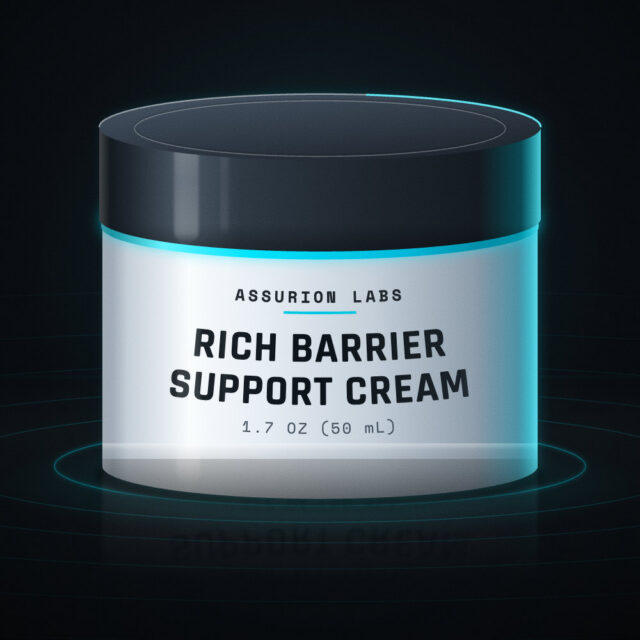
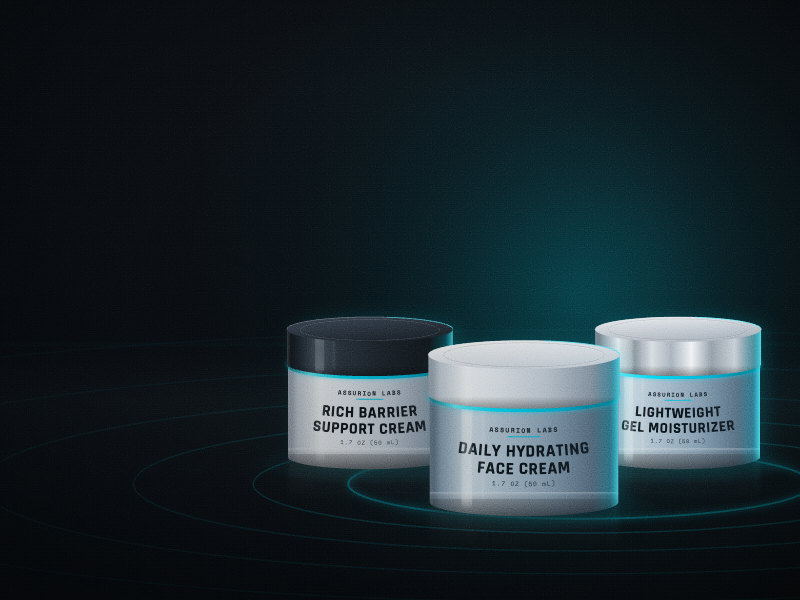
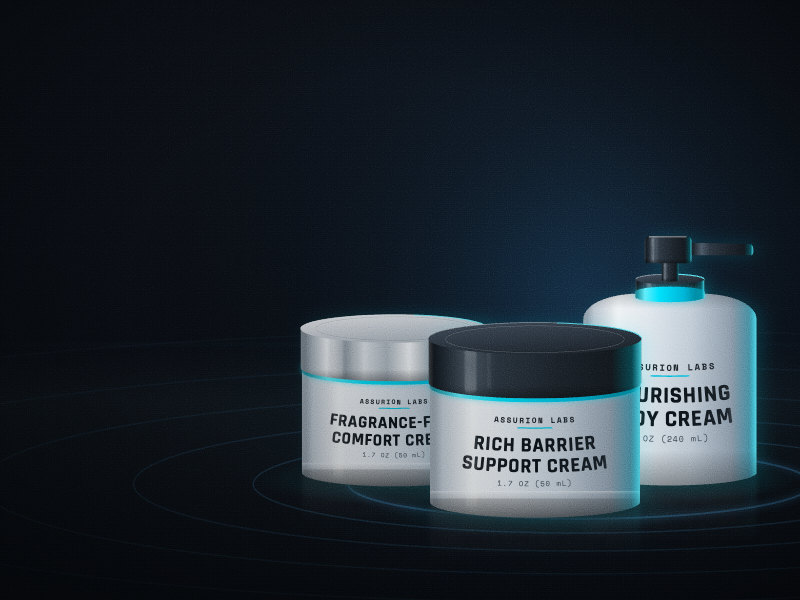
See all products by skin type, or browse skin care for dry skin. Rich Barrier Support Cream is one richer option in our range. For more on hydration, visit Hydration & Dry Skin, or take the Find Your Routine quiz for a simple routine that fits.
Frequently asked questions
Should I exfoliate dry skin?
Gentle, occasional exfoliation can smooth the look of rough patches, but too much can leave dry skin feeling tender. Start once a week with a mild formula, and stop if your skin stings or feels tight.
Is dry skin the same as dehydrated skin?
Not quite. Dry skin is a skin type that makes less oil, while dehydrated skin is short on water and can happen with any skin type. Hydrating ingredients such as hyaluronic acid add water, and creams help keep it there.
Do I need a different routine in winter?
Many people with dry skin switch to a richer cream and a gentler cleanser when the air turns cold and dry. If a lighter texture feels comfortable again in summer, you can lighten up.
When should I talk with a healthcare professional about dry skin?
If dryness is itchy, painful, cracking or spreading, or if it does not ease with a steady routine, talk with a healthcare professional. They can look at your skin and suggest next steps.
This content is for general cosmetic and educational purposes only and is not medical advice. It is not intended to diagnose, treat, cure, or prevent any disease or skin condition. If you have a skin condition, are pregnant or nursing, or have concerns about a product, talk with a qualified healthcare professional.