On this page 9 sections
Skin that feels tight, rough, or a little dull is often short on moisture. A hydration-focused routine adds water-attracting ingredients, then uses a moisturizer to help keep that comfort in place. It takes no more than four steps.
Here is how the pieces fit together, and how to use them morning and evening.
Why skin can feel dry
Cold weather, indoor heating, long hot showers, strong cleansers, and skipped moisturizer can all leave skin feeling tight. In everyday skin care talk, “dry” skin usually means skin that makes little oil, while “dehydrated” skin is low on water and can happen to any skin type, including oily.
The routine below suits both. For more on choosing products, see our guide to skin care for dry skin. If dryness is severe, itchy, or painful, talk with a healthcare professional.
Three kinds of hydrating ingredients
Most hydrating products lean on some mix of these:
| Type | What it does | You might see on a label |
|---|---|---|
| Humectants | Attract water to the skin’s surface | Glycerin, hyaluronic acid, sodium hyaluronate |
| Emollients | Help skin feel soft and smooth | Squalane, shea butter, ceramides |
| Occlusives | Form a light seal that slows moisture loss | Petrolatum, waxes, dimethicone |
Many moisturizers combine all three.
The routine, step by step
Morning
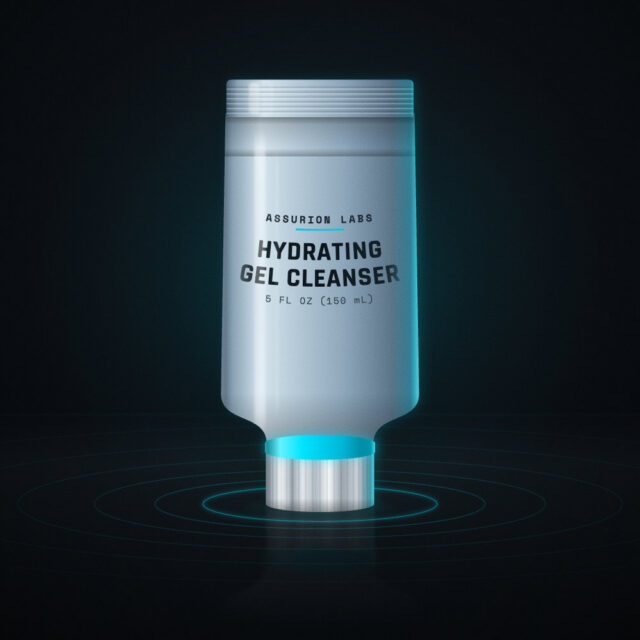
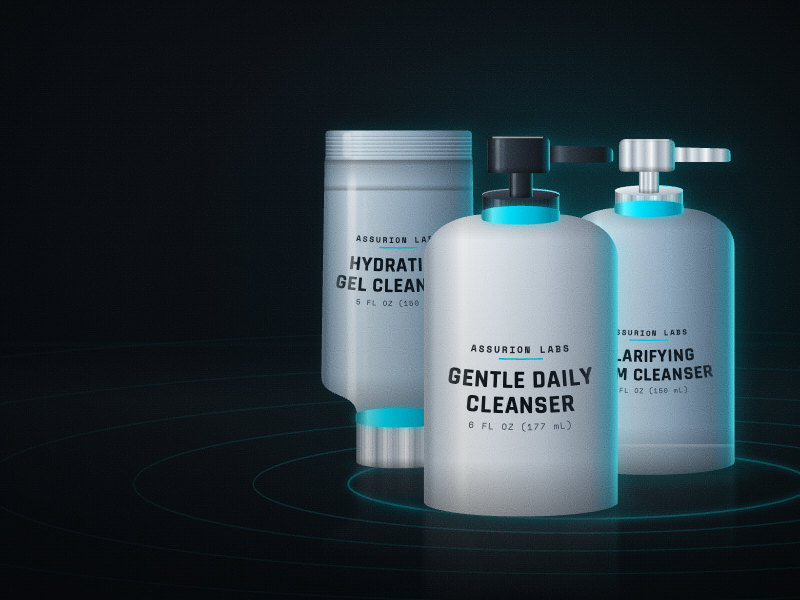
- Cleanse gently, or rinse with lukewarm water if your skin is very dry.
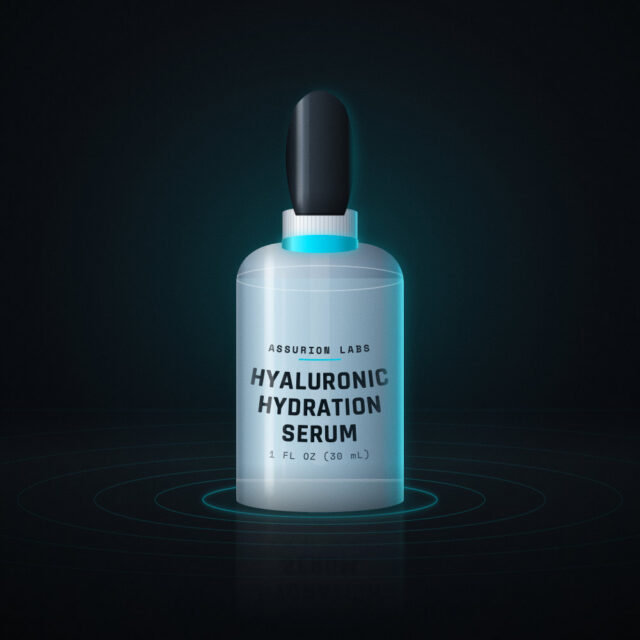
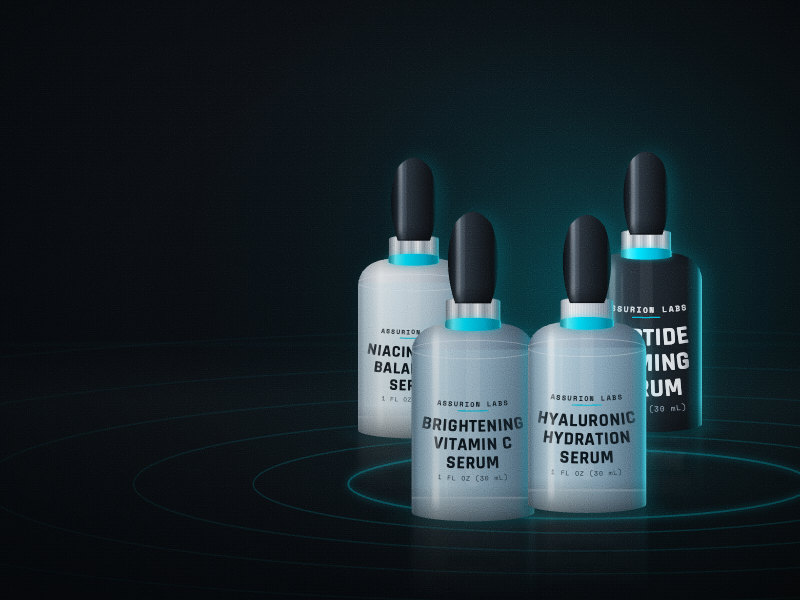
- Hydrating serum. Optional, but central to this routine. Apply to slightly damp skin.
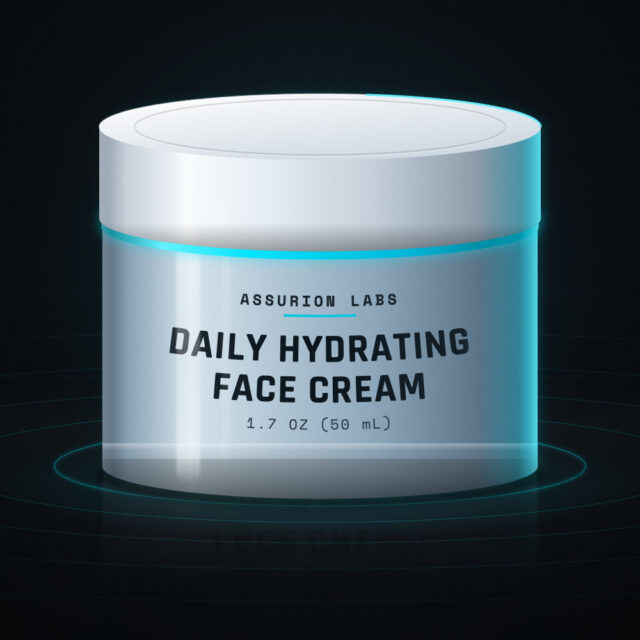
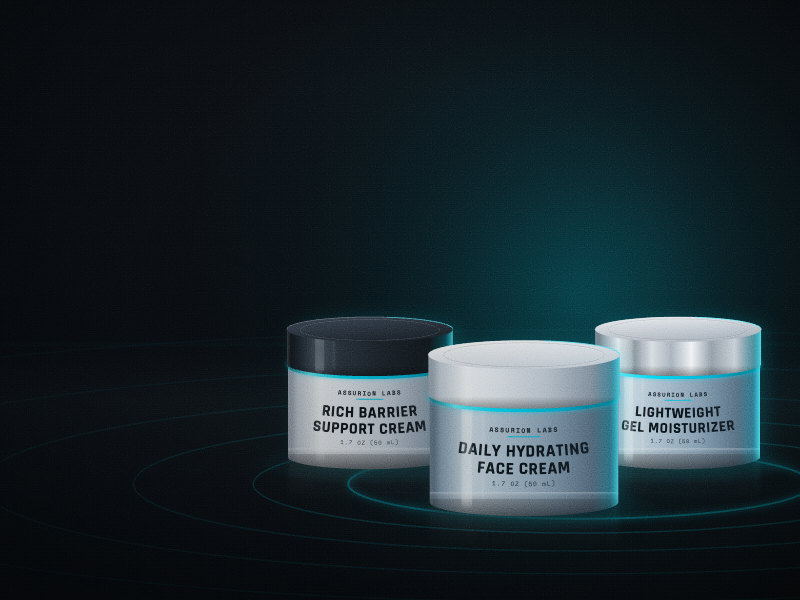
- Moisturizer. A cream for dry skin, a lightweight gel for oilier skin.
- Sunscreen. Broad-spectrum, SPF 30 or higher. Use as directed and reapply at least every two hours outdoors.
Evening
- Cleanse gently, twice if you wore sunscreen.
- Hydrating serum. Optional.
- Richer moisturizer or night cream.
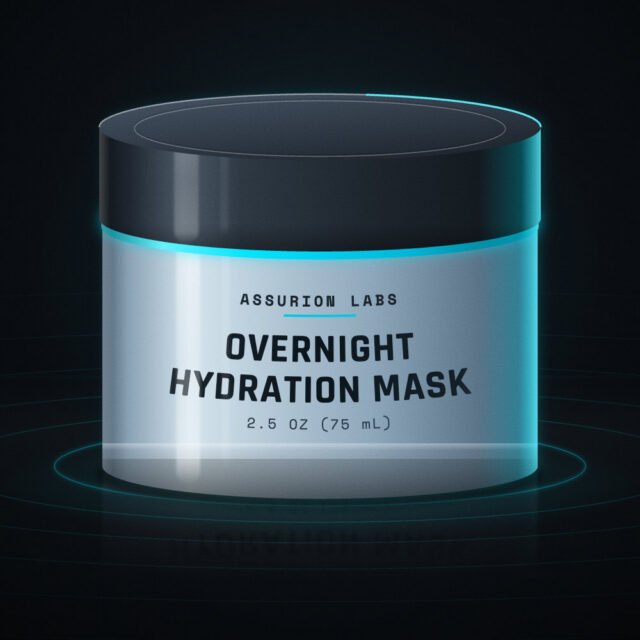
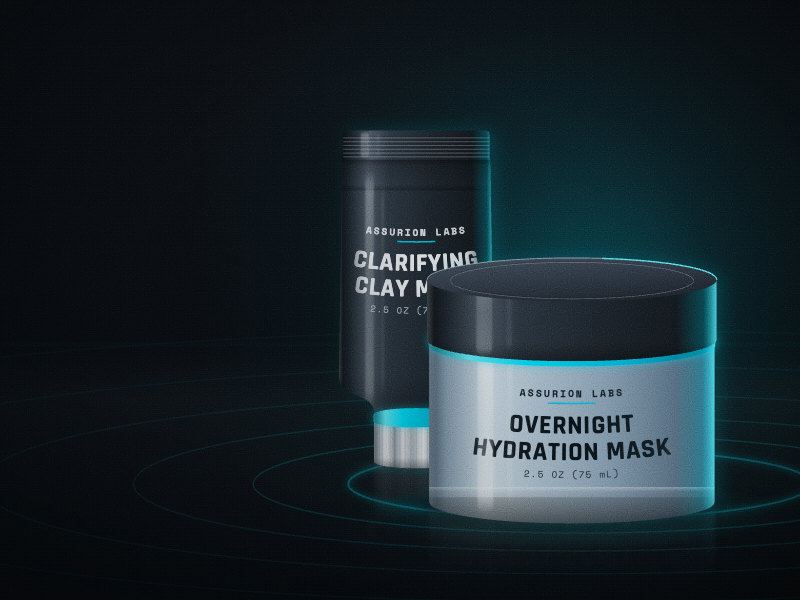
- Hydrating mask. Optional, once or twice a week. Follow the label, since some masks rinse off and others stay on overnight.
Apply to damp skin
This small habit makes a noticeable difference. After cleansing, pat your face with a towel so it is still slightly damp, then apply your serum, then moisturizer right away. Water-attracting ingredients have more to work with, and the moisturizer helps hold it in.
Avoid rubbing your face dry, and skip very hot water, which can leave skin feeling tight.
Habits that help
- Keep showers short and lukewarm.
- Choose a gentle cleanser that leaves skin comfortable, not squeaky.
- Exfoliate gently, starting with once or twice a week, and less if your skin feels tight.
- Run a humidifier in dry seasons if the air in your home is very dry.
- Give your lips and hands their own moisture, since they often feel dry too.
Where to go next
If you would like these steps ready to go, the Daily Hydration Routine bundle pairs Gentle Daily Cleanser, Hyaluronic Hydration Serum, and Daily Hydrating Face Cream. You can find it among our routine bundles.
For more ideas, visit the hydration and dry skin page, read about hyaluronic acid, or take the Find Your Routine quiz.
Frequently asked questions
What is a humectant, and how is it different from a moisturizer?
A humectant is a single ingredient, such as glycerin or hyaluronic acid, that attracts water to the skin. A moisturizer is the finished product, and most combine humectants with softening and sealing ingredients.
Can I use a hydrating serum and a hydrating mask in the same routine?
Yes. Use the serum as usual, and add the mask once or twice a week as the label directs. Apply moisturizer afterward unless the mask says it is meant to be the last step.
How often should I use a hydrating mask?
Once or twice a week is typical. Follow the directions on the label, and skip it if your skin feels irritated.
Do I need a hydrating toner or essence?
No. It is an optional step that adds a thin, water-based layer of hydration right after cleansing. If your routine already includes a serum and a moisturizer, you can skip it.
This content is for general cosmetic and educational purposes only and is not medical advice. It is not intended to diagnose, treat, cure, or prevent any disease or skin condition. If you have a skin condition, are pregnant or nursing, or have concerns about a product, talk with a qualified healthcare professional.