On this page 8 sections
Ingredient facts
Hyaluronic Acid
- What it is
- A humectant that occurs naturally in the body and is produced commercially for skin care. It attracts water and helps hold it at the surface of the skin.
- Why it is commonly used
- It helps skin feel hydrated, soft and comfortable, and well-hydrated skin tends to look smoother. It is light, so it suits most skin types.
- Common product types
- Serums, toners and essences, moisturizers and masks. On labels it often appears as sodium hyaluronate.
- How to add it to a routine
- Apply to slightly damp skin after cleansing, then follow with moisturizer. Finish with sunscreen in the morning.
- Pairs well with
- Ceramides, glycerin, squalane, vitamin C, niacinamide and peptides. It also sits comfortably in routines that include retinol or exfoliating acids.
- Usage considerations
- Patch test before first use and stop if irritation occurs. It does not replace sunscreen.
Hyaluronic acid shows up on the label of serums, moisturizers, toners and masks, almost always next to the word hydration. It is one of the easiest ingredients to understand and one of the easiest to add to a routine. This guide explains what it is, what it does in a formula and how to use it well.
What hyaluronic acid is
Hyaluronic acid, often shortened to HA, is a molecule that occurs naturally in the body, including in skin. In skin care it is produced commercially and used as a humectant, which means it attracts water and helps hold it at the surface of your skin.
On an ingredient list you may see it written as hyaluronic acid, sodium hyaluronate (its salt form, very common in formulas) or hydrolyzed hyaluronic acid. Some products blend more than one size of the molecule. Despite the word acid in its name, it is not an exfoliating acid and does not work like glycolic or salicylic acid.
Why it is commonly used in skin care
The main reason is comfort. When skin is short on water it can feel tight, look dull and show fine dry lines more easily. A humectant helps skin feel hydrated and soft, and well-hydrated skin tends to look smoother and more plump.
Hyaluronic acid is also light. It does not add oil or a heavy layer, so it suits most skin types, including oily-looking skin that still needs water. That is why it appears in everything from gel serums to rich creams.
Common product types
You will find hyaluronic acid in several formats, and the format changes when and how you use it.
| Product type | Texture | Where it fits |
|---|---|---|
| Serum | Light, watery or gel-like | After cleansing, before moisturizer |
| Toner or essence | Thin liquid | Right after cleansing, on clean skin |
| Moisturizer | Cream or lotion | The last step at night, and before sunscreen in the morning |
| Mask | Cream or gel | Occasionally, as directed on the label |
Labels rarely list the percentage, so the best test is simple. Use a product for a couple of weeks and notice how your skin feels by mid-afternoon.
How to add it to a simple routine
- Cleanse and leave your skin slightly damp. Humectants work best when there is water nearby.
- Apply a few drops of serum or a pass of essence and pat it in. There is no need to rub.
- Moisturize right after, to help hold that water in.
- Finish with sunscreen in the morning.
You can use it morning, evening or both. In very dry air, a humectant on its own can leave skin feeling tighter, which is why the moisturizer step matters. For a fuller walk-through, see our guide to a hydration-focused routine.
What it pairs well with
Hyaluronic acid is an easy teammate.
- Ceramides, glycerin and squalane soften skin and help it feel moisturized for longer.
- Vitamin C and niacinamide layer comfortably with it in the same routine.
- Retinol and exfoliating acids are easier to live with when a hydrating serum or cream is part of the routine.
Usage considerations
Hyaluronic acid itself is usually well tolerated, but any product can bother sensitive-feeling skin, often because of other ingredients such as fragrance.
- Patch test a new product first. Apply a small amount to the inside of your forearm and wait 24 hours.
- Stop use and rinse if you notice stinging, burning or a rash. Talk with a healthcare professional if irritation continues.
- Keep products away from your eyes, and close the cap or dropper after each use.
- Hyaluronic acid does not replace sunscreen. Use one every morning, as directed.
Where to go next
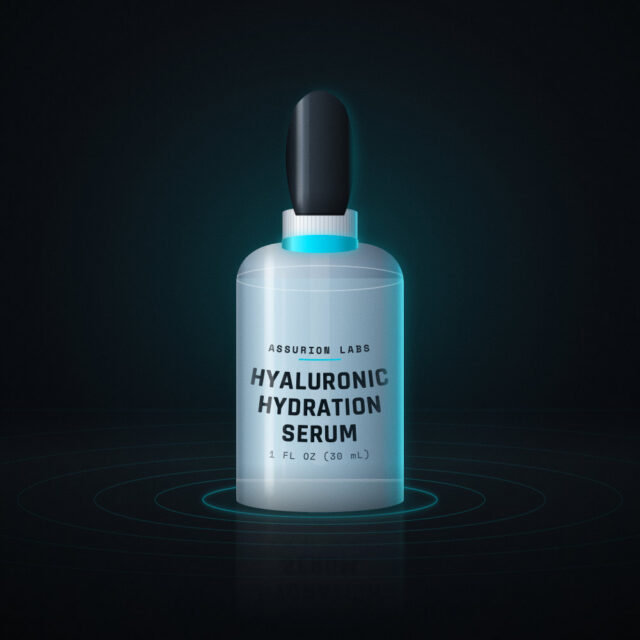
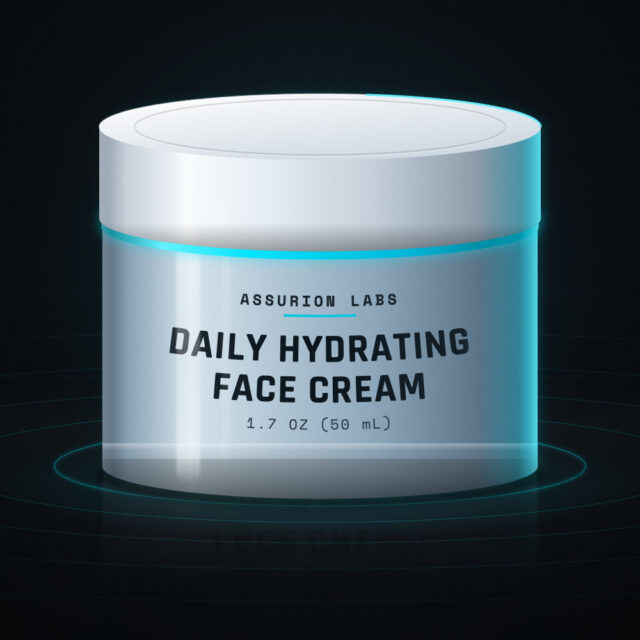
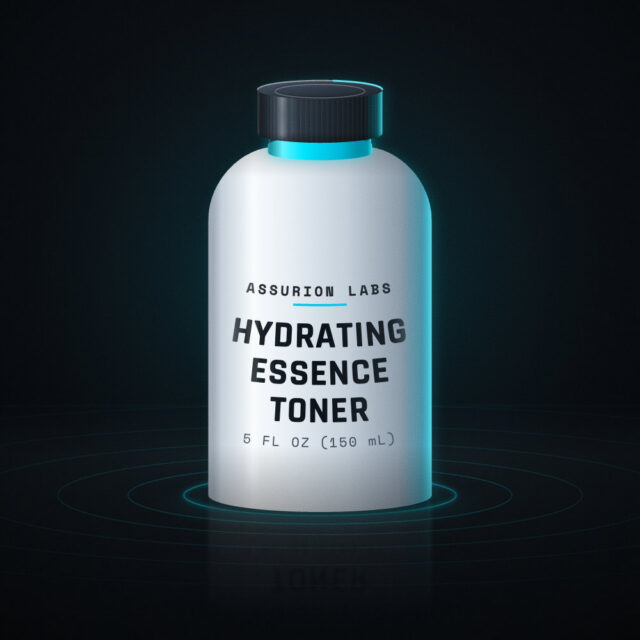
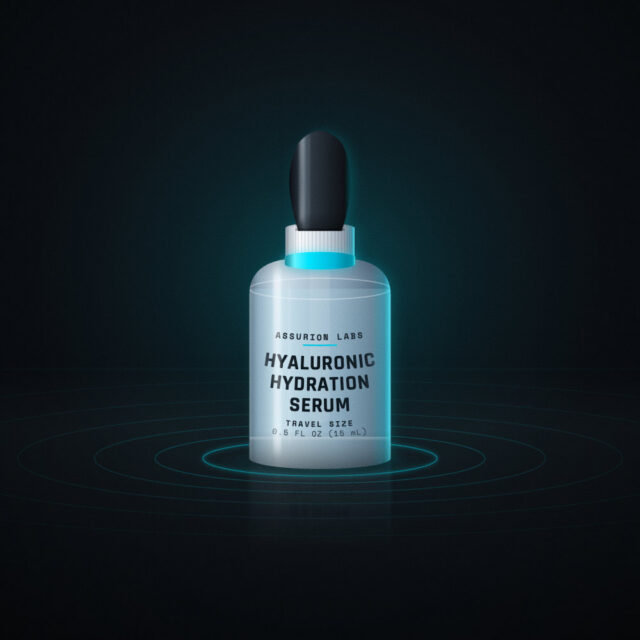
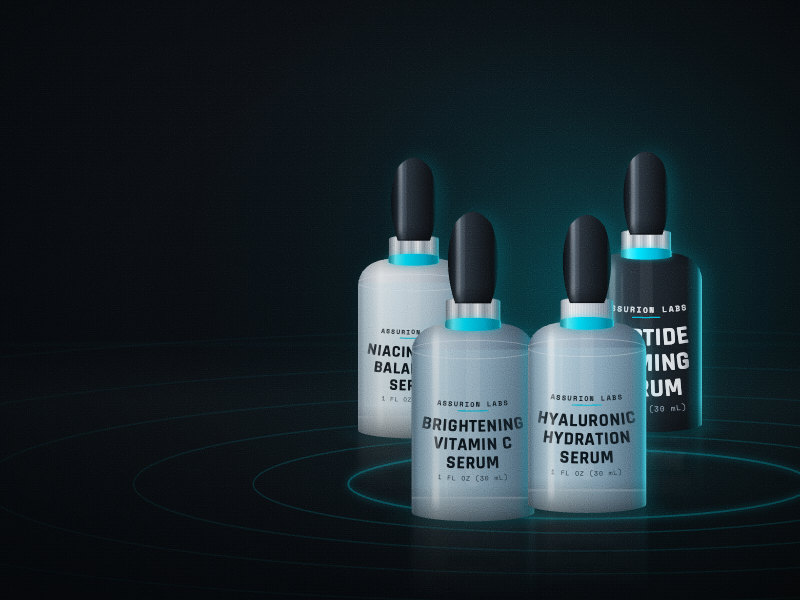
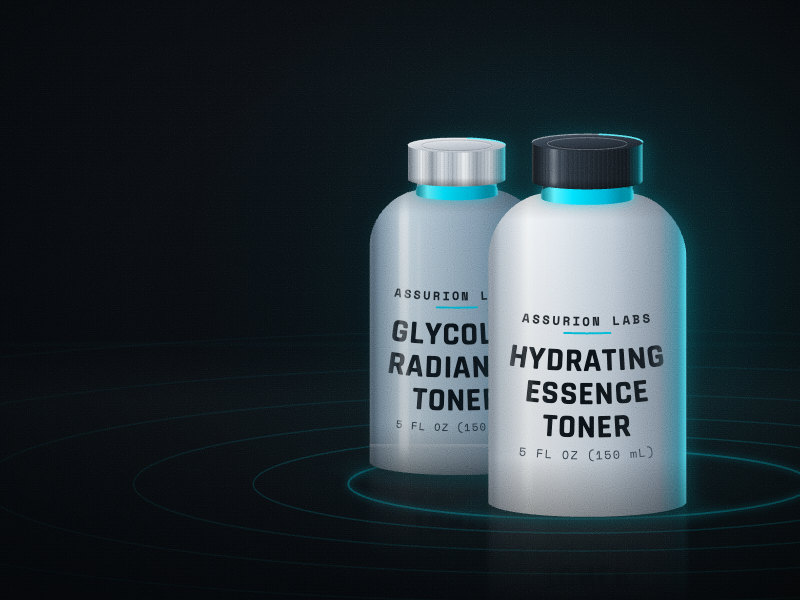
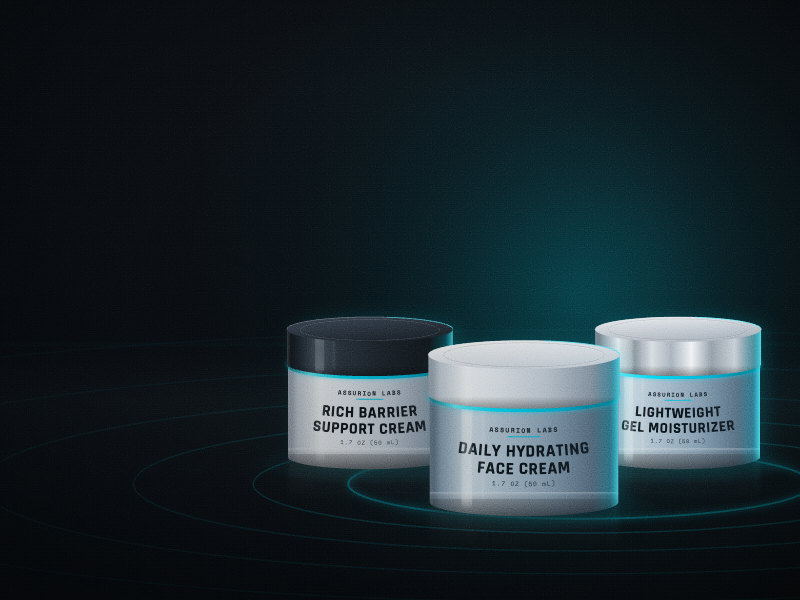
Assurion Labs products that contain hyaluronic acid include the Hyaluronic Hydration Serum, the Daily Hydrating Face Cream and the Hydrating Essence Toner. You can see every product that contains it in the hyaluronic acid collection, or compare other ingredients on the Shop by Ingredient page.
Frequently asked questions
Is hyaluronic acid an exfoliating acid?
No. Despite the name, it does not exfoliate. It is a humectant that attracts water, so it belongs in the hydrating part of your routine. It is a different kind of ingredient from glycolic or salicylic acid, which are exfoliants.
Should I apply it to damp or dry skin?
Slightly damp skin is usually more comfortable, because hyaluronic acid works with the water around it. Follow with a moisturizer either way. If a product label gives different directions, follow the label.
Can I use hyaluronic acid every day?
Most people can use it once or twice a day. If your skin feels sticky, tight or irritated, use less or try a simpler formula. A patch test before first use is a good habit for any new product.
Does the size of the molecule matter?
Some labels mention low, medium or high molecular weight hyaluronic acid. The label alone rarely tells you which will suit you, so judge a product by how your skin feels after a couple of weeks.
Is it a good choice for oily-looking skin?
Usually, yes. Hyaluronic acid adds water rather than oil, and lightweight serums and gel moisturizers are a common choice for oily-looking skin. Choose textures you enjoy wearing.
This content is for general cosmetic and educational purposes only and is not medical advice. It is not intended to diagnose, treat, cure, or prevent any disease or skin condition. If you have a skin condition, are pregnant or nursing, or have concerns about a product, talk with a qualified healthcare professional.
Patch test before first use: apply a small amount to the inside of your forearm and wait 24 hours. Stop use and rinse if irritation occurs. For external use only. Avoid contact with eyes.