On this page 8 sections
Ingredient facts
Ceramides
- What it is
- Ceramides are lipids that occur naturally in the outer layer of skin, alongside cholesterol and fatty acids. In products they are produced commercially.
- Why it is commonly used
- They are used to help skin feel soft, smooth and comfortable, especially when it feels dry or tight. They support the look and feel of a healthy skin surface.
- Common product types
- Moisturizers, serums and cleansers, from light lotions to rich creams. On labels look for ceramide NP, AP or EOP.
- How to add it to a routine
- Apply after cleansing, serum first and then a ceramide moisturizer, morning or evening. Finish with sunscreen in the morning.
- Pairs well with
- Hyaluronic acid, glycerin, niacinamide, peptides, squalane and shea butter. A ceramide moisturizer is a comfortable step on nights you use retinol or an exfoliating acid.
- Usage considerations
- Patch test before first use and stop if irritation occurs. Rich creams can feel heavy on oily-looking skin, so use a thin layer or a lighter texture.
If you have ever wondered why so many moisturizers list ceramides on the front of the jar, this guide is for you. Ceramides are among the most familiar ingredients in comfort-focused skin care, and they are easy to use once you know what to look for.
What ceramides are
Ceramides are lipids, a type of fatty molecule, found naturally in the outer layer of skin. Together with cholesterol and fatty acids, they make up much of the fatty “mortar” between skin cells. That outer layer is often called the skin barrier.
In products, ceramides are produced commercially. Labels list them as ceramide NP, ceramide AP or ceramide EOP, and formulas often include cholesterol and fatty acids alongside them, since these lipids occur together in skin.
Why it is commonly used in skin care
Ceramides are used to help skin feel soft, smooth and comfortable, especially when it feels dry, tight or rough. They support the look and feel of a healthy skin surface, which can matter when skin is dealing with dry indoor air, cold weather or frequent washing.
They are also popular with people who use exfoliating acids or retinol and want a comforting step in the routine.
Common product types
| Product type | Typical feel | Good to know |
|---|---|---|
| Serum | Light, quick to absorb | Goes on before your moisturizer |
| Everyday cream | Soft and cushiony | Suits most routines, morning or night |
| Rich cream | Thicker and more cushioning | Popular for dry-feeling skin and evening use |
| Cleanser | Rinse-off | Contact time is short, so the effect is light |
How to add it to a simple routine
Ceramide products suit both morning and evening, so they are among the easiest to add.
- Cleanse gently, using lukewarm water.
- Apply a ceramide serum, if you use one, to slightly damp skin.
- Moisturize with a cream that contains ceramides. Choose a richer one in the evening if your skin feels dry.
- Add sunscreen as the last step in the morning.
If you are new to ceramides, one product is enough, and a moisturizer is the most useful place to start. Our guide to skin care for dry skin shows how the pieces fit together.
What it pairs well with
- Hyaluronic acid and glycerin draw water to the skin, while ceramides and other lipids help skin feel moisturized for longer.
- Niacinamide and peptides are common companions in comfort-focused formulas.
- Squalane and shea butter are other softening ingredients that often appear alongside ceramides.
- Retinol and exfoliating acids pair well with a ceramide moisturizer, which is a comfortable step to have on nights when you use them.
Usage considerations
- Patch test a new product on your inner forearm for 24 hours before using it on your face.
- Rich creams can feel heavy on oily-looking skin. Use a thin layer, save them for evenings, or choose a lighter serum or gel cream.
- If your skin often reacts to scents, a fragrance-free formula is a simple choice.
- Stop use and rinse if irritation occurs. If your skin stays itchy, painful or irritated even with a good moisturizer, talk with a healthcare professional.
Where to go next
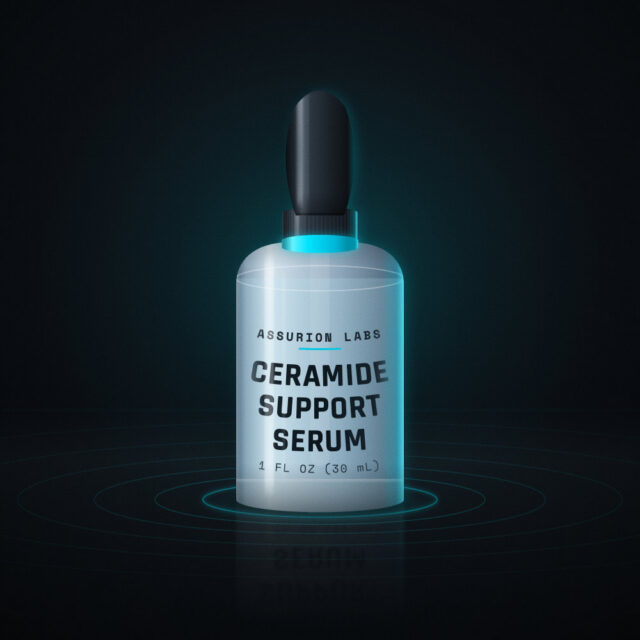
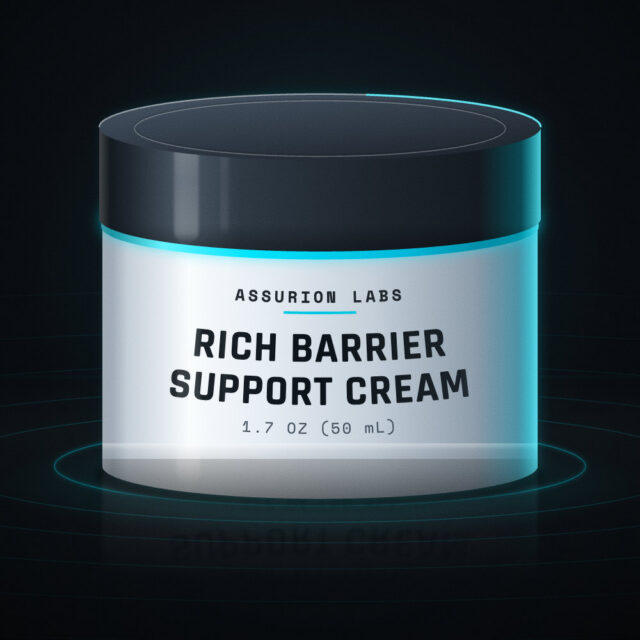
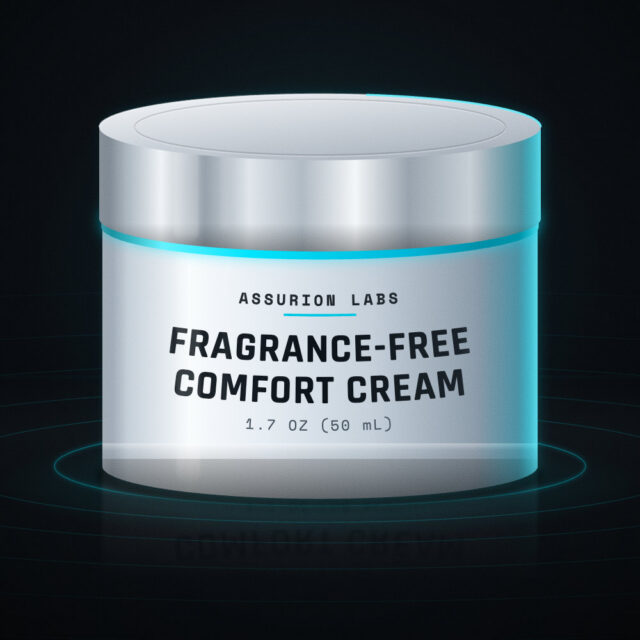
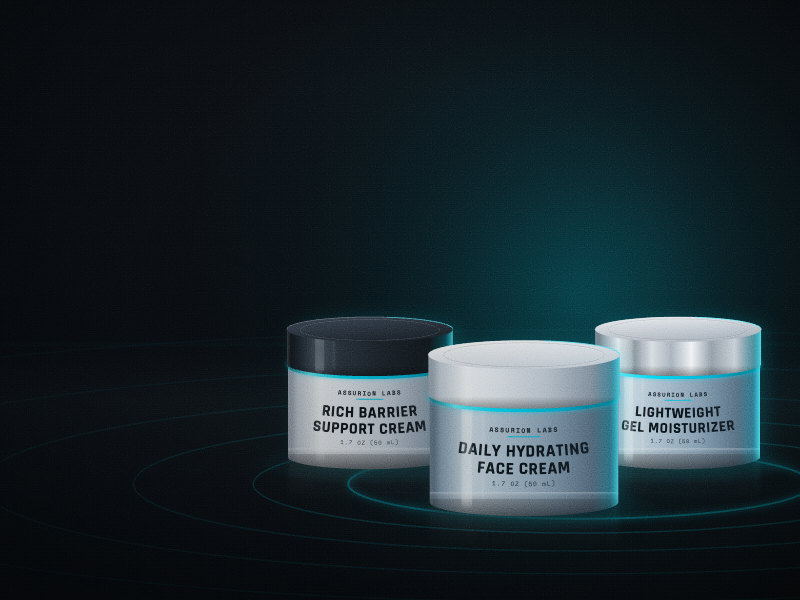
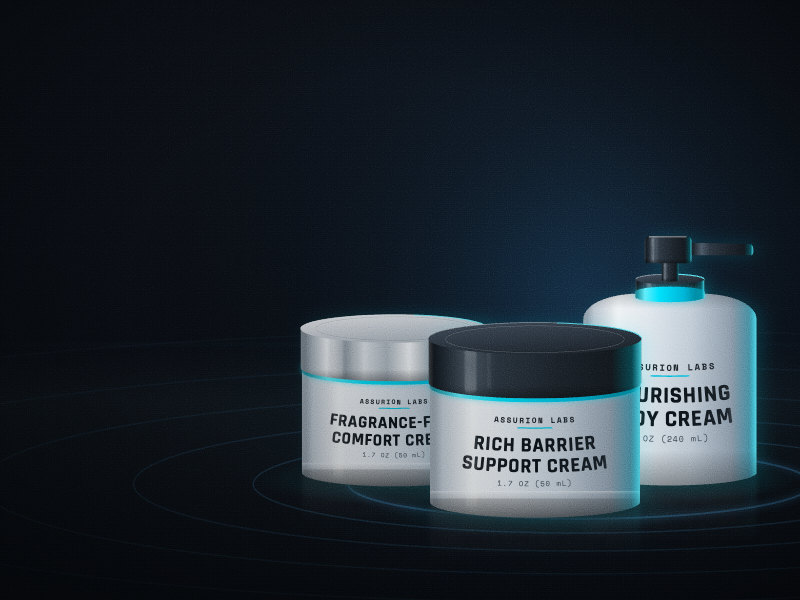
Assurion Labs products with ceramides include the Ceramide Support Serum, the Rich Barrier Support Cream and the Fragrance-Free Comfort Cream. You can see every product that contains them in the ceramide collection, or compare other ingredients on the Shop by Ingredient page.
Frequently asked questions
Are ceramides only for dry skin?
No. Dry-feeling skin notices the comfort most, but ceramides can suit every skin type. Oily-looking skin can choose lighter textures, such as a serum or a gel cream.
Can I use ceramides every day?
Yes. Ceramide products are gentle enough for most people to use morning and night. As with any new product, patch test first.
What is the difference between a ceramide serum and a ceramide cream?
A serum is a light layer that goes on before your moisturizer. A cream is thicker and is usually the last step at night. Many routines use both, but one is enough to start with.
Do I need a fragrance-free ceramide product?
Not necessarily. If your skin often feels reactive, though, fragrance-free is a simple choice, because fragrance is one of the more common reasons people react to skin care products.
This content is for general cosmetic and educational purposes only and is not medical advice. It is not intended to diagnose, treat, cure, or prevent any disease or skin condition. If you have a skin condition, are pregnant or nursing, or have concerns about a product, talk with a qualified healthcare professional.
Patch test before first use: apply a small amount to the inside of your forearm and wait 24 hours. Stop use and rinse if irritation occurs. For external use only. Avoid contact with eyes.