On this page 7 sections
Sensitive-feeling skin tends to sting, burn, tighten or look flushed in response to certain products, weather or changes in routine. It describes how skin feels rather than a medical label, and it can come and go. The best approach is a gentle, short routine and patience with anything new.
What sensitive-feeling skin can be like
- Stinging or warmth when applying some products
- Tightness or a flushed look after cleansing, or in wind and heat
- Products that suit you for a while and then suddenly do not
What to look for
- Fragrance-free formulas with short ingredient lists. Our guide to fragrance-free skin care explains the label.
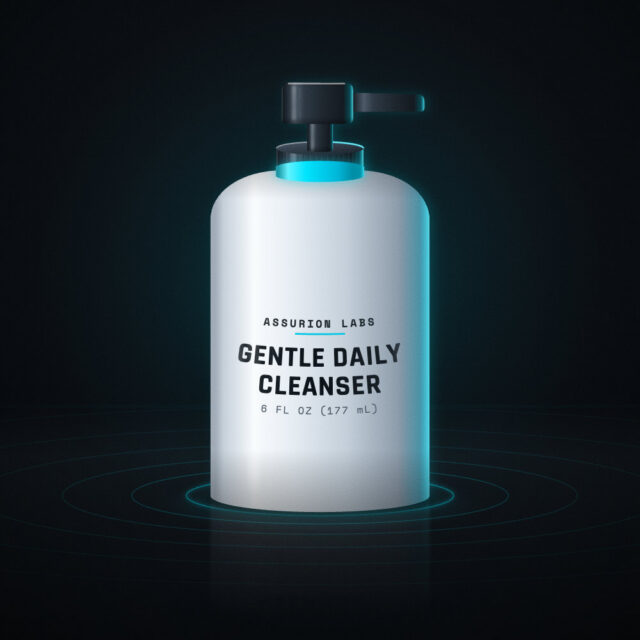
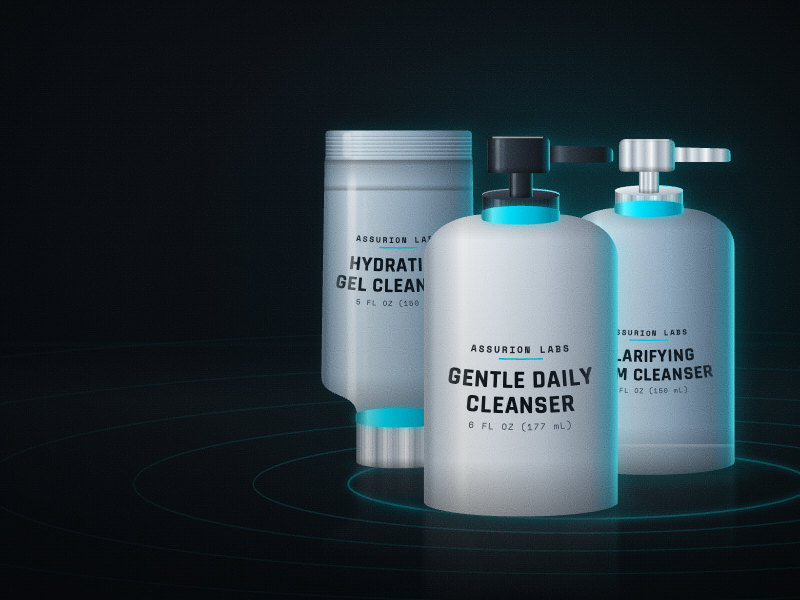
- Gentle cream or gel cleansers that rinse clean without tightness.
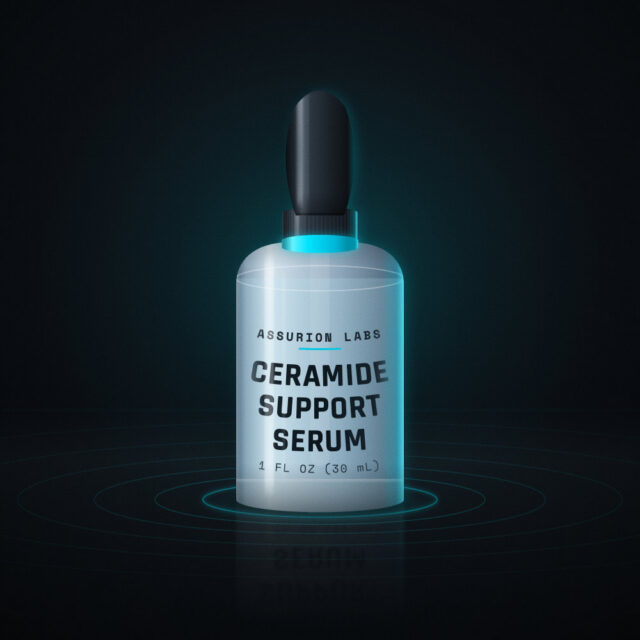
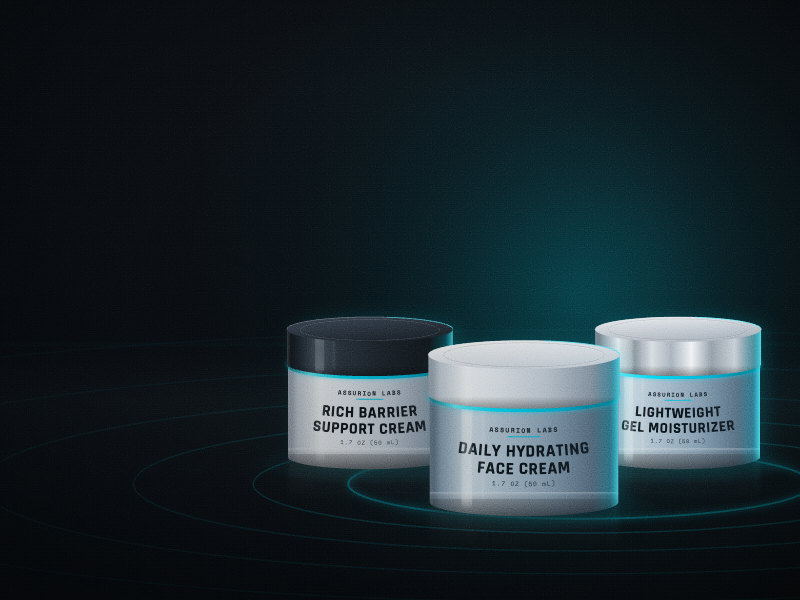
- Comforting moisturizers with ingredients such as ceramides and glycerin.
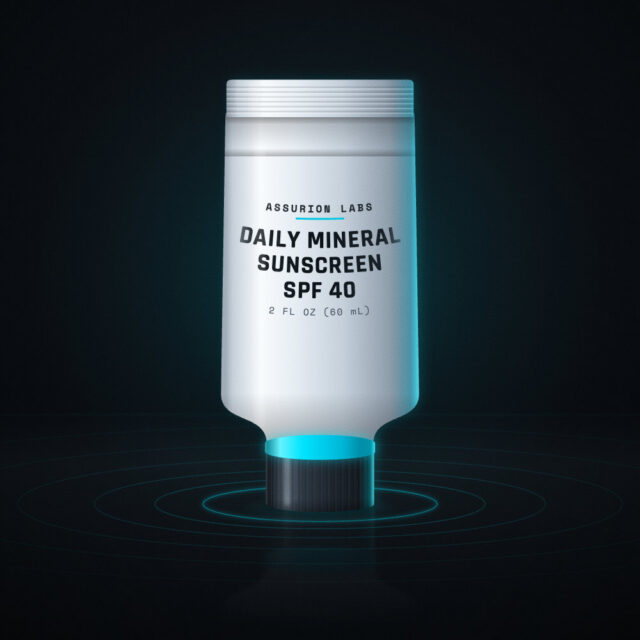
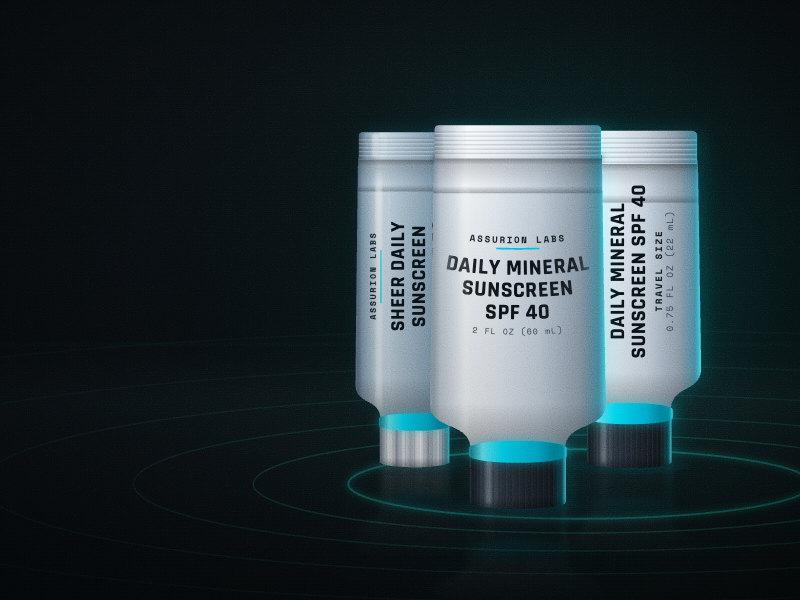
- Mineral sunscreen, which many people with sensitive-feeling skin find comfortable.
Go easy on strong scrubs, very hot water and formulas with many active ingredients. Pat your skin dry with a soft towel instead of rubbing.
Patch test first
- Apply a small amount to the inside of your forearm.
- Wait 24 hours.
- If you see redness, itching or burning, rinse off and stop using it.
- If skin looks and feels fine, try a small area of your face before using it everywhere.
Our step-by-step guide to patch testing a new product has more detail.
Add fewer products, more slowly
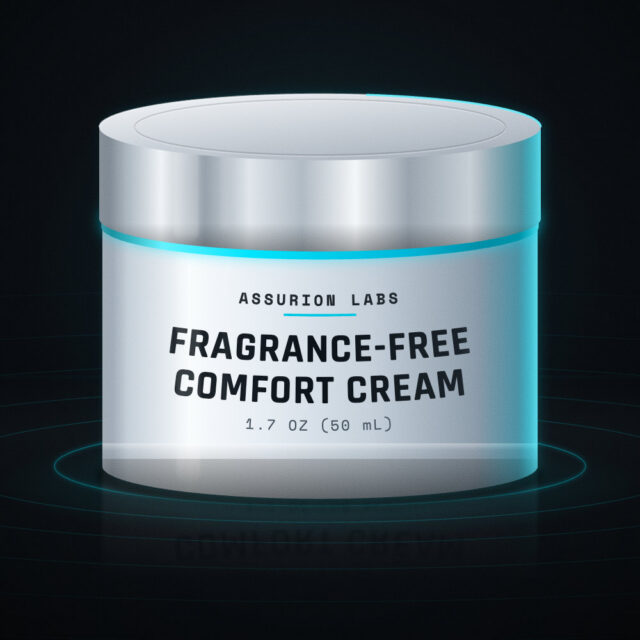
Introduce one new product at a time and wait about two weeks before adding another. That way, if something bothers your skin, you will know what caused it. Avoid starting a new cleanser, serum and moisturizer in the same week. A short routine of cleanser, moisturizer and sunscreen is often enough. Fragrance-Free Comfort Cream is one fragrance-free moisturizer to consider.
When to see a healthcare professional
Talk with a healthcare professional if you have:
- Redness, itching or burning that lasts or keeps returning
- Swelling, blistering or a reaction that spreads or gets worse
- Skin that hurts, or a reaction that does not settle after you stop a product
- Questions about pregnancy, nursing or medications alongside new skin care
Where to go next
See skin care by skin type, shop skin care for sensitive skin, or take the Find Your Routine quiz and choose fragrance-free when it asks.
Frequently asked questions
Can sensitive-feeling skin use ingredients like retinol or vitamin C?
Many people with sensitive-feeling skin use them, but it takes care. Patch test first, start with one product, use it a couple of nights a week and build up slowly. If you are pregnant or nursing, ask a healthcare professional before using retinol.
Is mineral sunscreen better for sensitive skin?
Many people with sensitive-feeling skin prefer mineral formulas, though both types work well for many people. Choose a fragrance-free option, patch test it, and wear whichever feels most comfortable.
How long should I wait between adding new products?
About two weeks is a common guide. That gives your skin time to show whether it likes a product before you add another.
Why does my skin suddenly react to a product I have used for months?
Skin changes with seasons, weather, stress and routine, so a product that once felt fine can start to bother you. Simplify your routine and patch test anything new. If the reaction continues, talk with a healthcare professional.
This content is for general cosmetic and educational purposes only and is not medical advice. It is not intended to diagnose, treat, cure, or prevent any disease or skin condition. If you have a skin condition, are pregnant or nursing, or have concerns about a product, talk with a qualified healthcare professional.