On this page 7 sections
Skin care can look complicated from the outside, with dozens of product types and plenty of opinions. The basics, though, are short. This guide covers what skin care products do, the few steps that matter most, and habits that keep your skin comfortable.
What skin care products do
Skin care products are cosmetics. They help skin feel soft, look smoother, and stay comfortable by cleansing, adding moisture, and, with sunscreen used as directed, helping protect it from UV. They do not change your skin type, and they are not a substitute for medical care.
Results are gradual and usually subtle. Consistent use of a few well-chosen products matters more than a long shelf of them. If a skin issue is persistent, painful, or getting worse, a healthcare professional is the right next stop.
The core steps
Every routine is built from a handful of product types. Start with the three core ones and add optional ones later.
| Product type | What it does | Core or optional |
|---|---|---|
| Cleanser | Removes oil, sweat, sunscreen, and buildup | Core |
| Moisturizer | Helps skin hold onto water and feel soft | Core |
| Sunscreen | Helps protect against UV when used as directed | Core, morning |
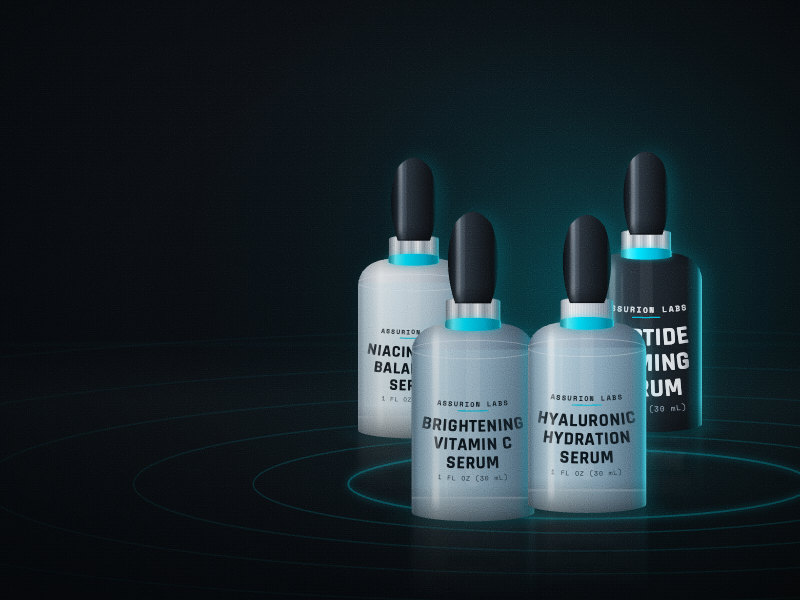
| Serum | Lightweight product with one focused ingredient | Optional |
| Exfoliator | Helps skin look smoother; start with once or twice a week | Optional |
| Mask | An occasional extra layer of hydration, or a fresh-feeling clean | Optional |
| Eye cream | Lightweight moisture around the eyes | Optional |
Skin type and skin concerns
Two ideas make shopping easier. Your skin type describes how your skin usually behaves: dry, oily, combination, normal, or sensitive-feeling. It guides texture, like a gel or a cream. A skin concern is something you would like your skin to look or feel like, such as more hydrated, brighter-looking, or smoother.
Not sure of your type? Try the simple test in how to identify your skin type.
Habits that keep skin comfortable
- Wash with lukewarm water and pat dry rather than rubbing.
- Wear sunscreen every morning. Follow the label directions, reapply at least every two hours outdoors, and limit your sun exposure.
- Add one new product at a time, and patch test it first.
- Go easy on exfoliating. Start with once or twice a week, and less if skin feels tight.
- Leave blemishes alone. Picking can make marks last longer.
How to get started
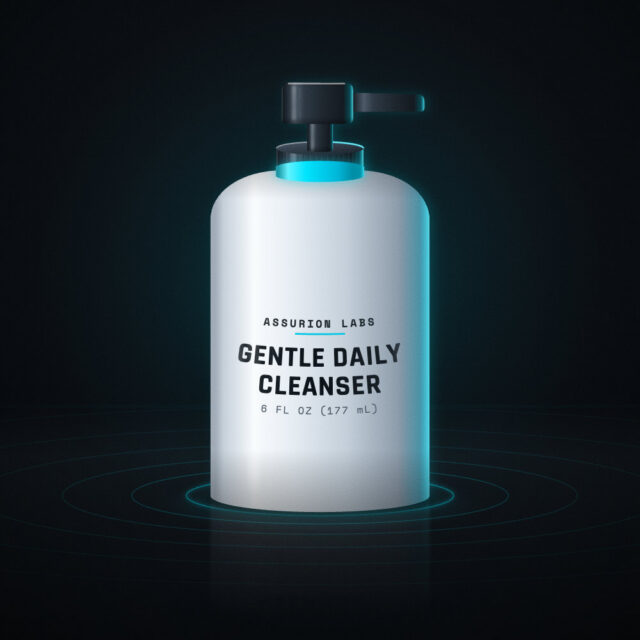
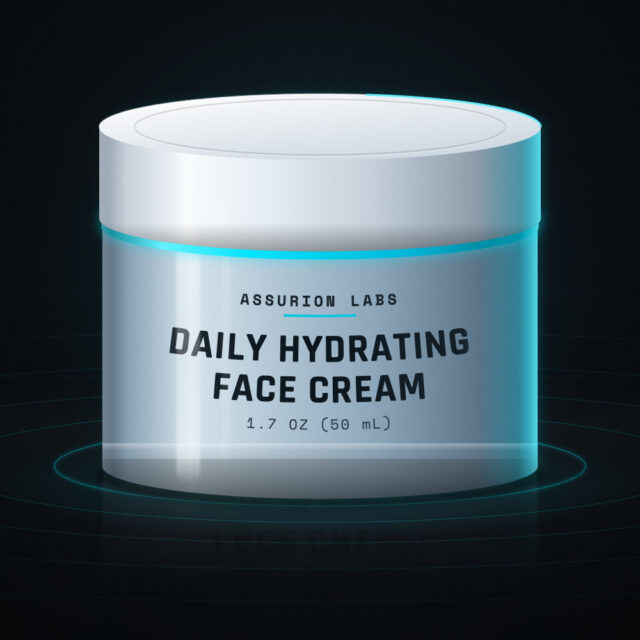
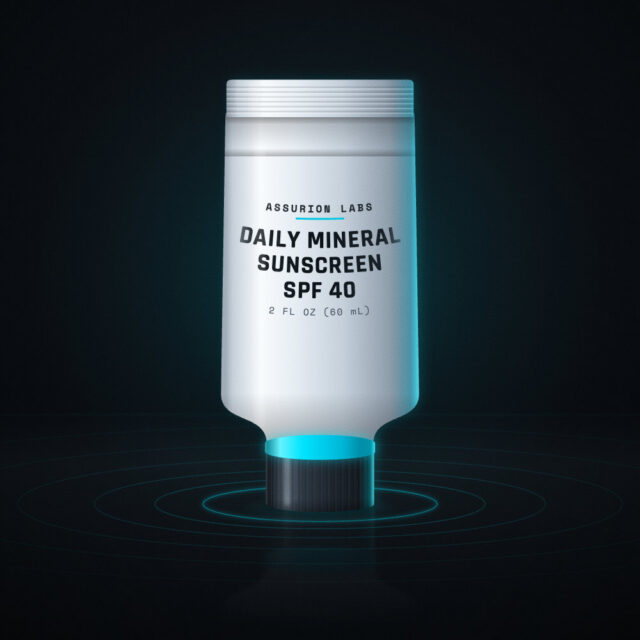
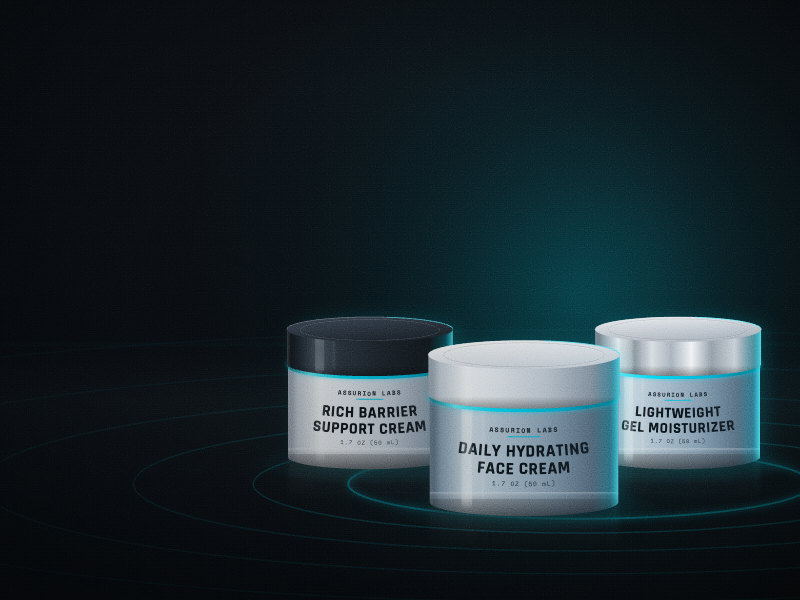
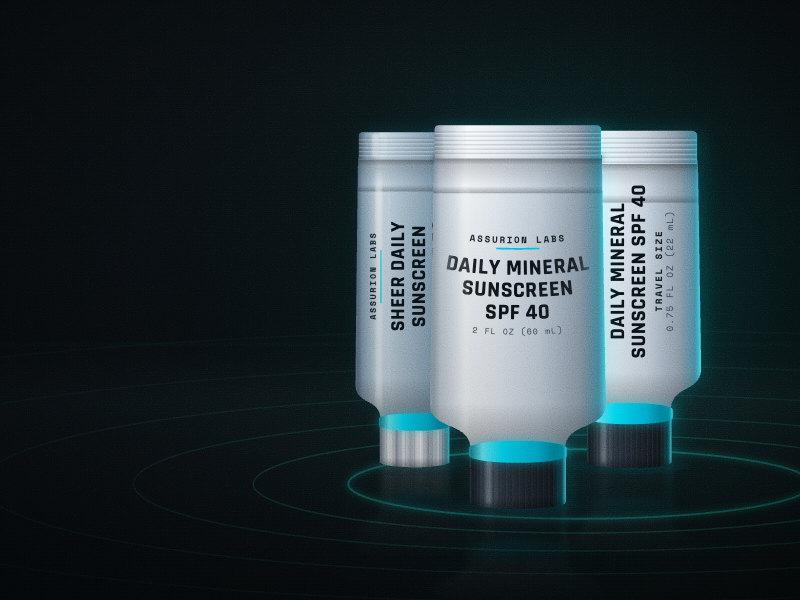
Choose a gentle cleanser, a moisturizer for your skin type, and a sunscreen, and use them consistently for about four weeks. Gentle Daily Cleanser, Daily Hydrating Face Cream, and Daily Mineral Sunscreen SPF 40 cover all three core steps.
In the first couple of weeks, judge by comfort: does your skin feel clean, soft, and unbothered? Visible changes, such as smoother-looking or more even-looking skin, take longer and vary from person to person. If your skin feels comfortable after a month, consider adding one optional product.
If you would like a shortcut, the Find Your Routine quiz suggests a simple starting point, and routine bundles put the basics together in one place.
Where to go next
Build your first routine with how to build a simple skin care routine, then see what order to apply skin care for layering tips.
Frequently asked questions
Do I need a lot of products?
No. A cleanser, a moisturizer, and a morning sunscreen cover the basics. Everything else is optional.
Does expensive skin care work better?
Price does not tell you how a product will feel on your skin. The texture, the ingredients you tolerate, and consistent use matter more. Read the label and choose what suits you.
When should I start using sunscreen?
Whenever you start a routine is a good time, since sunscreen is one of the three core steps. Use it as directed on the label, reapply at least every two hours when outdoors, and limit your sun exposure. Ask a healthcare professional about sun protection for babies and young children.
When should I talk to a healthcare professional?
If a skin issue is persistent, painful, or getting worse, or if you have questions about products while pregnant, nursing, or taking medication. Skin care products are cosmetics and cannot replace medical advice.
This content is for general cosmetic and educational purposes only and is not medical advice. It is not intended to diagnose, treat, cure, or prevent any disease or skin condition. If you have a skin condition, are pregnant or nursing, or have concerns about a product, talk with a qualified healthcare professional.