On this page 8 sections
Ingredient facts
Glycolic Acid
- What it is
- Glycolic acid is an alpha hydroxy acid (AHA) that dissolves in water. It is a chemical exfoliant that helps loosen dead skin cells on the surface.
- Why it is commonly used
- It is commonly used to help skin look smoother, brighter and more even-toned, and to refine rough-feeling texture.
- Common product types
- Toners, pads, serums, cleansers and occasional peels or masks.
- How to add it to a routine
- Use in the evening on clean, dry skin and follow with moisturizer. Start once or twice a week, build slowly to every other evening at most, and do not layer it with retinol on the same night when starting out.
- Pairs well with
- Hyaluronic acid, ceramides and a good moisturizer, plus sunscreen the next morning. Keep retinol, salicylic acid and other exfoliants on different nights.
- Usage considerations
- It can make skin more sensitive to the sun, so use sunscreen every morning as directed and limit sun exposure. Patch test first, and stop use if burning or lingering redness occurs.
Glycolic acid is the exfoliating ingredient many people meet first, often in a toner. It can leave skin looking smoother and brighter. It can also leave skin dry and sensitive if you use it too often. This guide covers the basics: what it is, how often to use it and how to look after your skin while you do.
What glycolic acid is
Glycolic acid is an alpha hydroxy acid, or AHA. Its molecules are the smallest of the common AHAs, which is one reason it appears in so many formulas. It dissolves in water and works on the surface of the skin.
It is a chemical exfoliant. Rather than scrubbing, it helps loosen the bonds between dead skin cells so they shed more easily and skin looks smoother.
Why it is commonly used in skin care
Glycolic acid is used to help skin look smoother, brighter and more even-toned, and to help refine rough-feeling texture. Dullness often comes from dead skin cells that linger on the surface, and regular, gentle exfoliation helps skin look fresher.
It is best thought of as a supporting player, used a few evenings a week, rather than a daily essential.
Common product types
| Product type | What to know |
|---|---|
| Toner or pad | A familiar format for everyday-strength formulas, swept or wiped on after cleansing |
| Serum | A leave-on that can feel more concentrated, so start slowly |
| Cleanser | Short contact time, then rinsed off |
| Peel or mask | Stronger, used occasionally for a short time, exactly as directed |
How to add it to a simple routine
Use glycolic acid in the evening, on clean, dry skin.
- Cleanse gently and pat skin dry.
- Apply your glycolic product as directed on the label, avoiding the eye area and lips.
- Moisturize generously, since exfoliating can leave skin feeling dry.
| Timeline | How often |
|---|---|
| Weeks 1 to 2 | Once or twice a week |
| Weeks 3 to 4 | Two or three evenings a week, if skin feels comfortable |
| After that | Every other evening at most, or less if skin feels dry |
Daily use is not necessary. If your product label gives a different schedule, follow the label. Skip other exfoliators, such as scrubs and enzyme products, on glycolic nights. If you are unsure where it sits among your other steps, see our guide to what order to apply skin care.
What it pairs well with
- Hyaluronic acid, ceramides and a good moisturizer help skin feel comfortable after exfoliating.
- Sunscreen is essential the next morning and every morning.
- Vitamin C can stay in your morning routine while glycolic acid stays in the evening.
Keep apart: retinol. Both can dry and irritate skin, so do not layer them on the same night when you are starting out. Once your skin is comfortable with each, some people alternate nights. The same goes for salicylic acid and other exfoliants.
Usage considerations
- Alpha hydroxy acids can make skin more sensitive to the sun. Use sunscreen every morning as directed, reapply at least every 2 hours when outdoors, limit sun exposure, and keep this up for about a week after your last use.
- Patch test first, since exfoliating acids can sting: apply a small amount to the inside of your forearm and wait 24 hours.
- A brief tingle can be normal. Burning, pain or lingering redness is a sign to rinse off, stop, and let your skin settle. Talk with a healthcare professional if it does not.
- Avoid the eye area, and skin that is broken, sunburned or irritated.
- If you are pregnant or nursing, or unsure whether an exfoliating acid suits you, ask a healthcare professional.
Where to go next
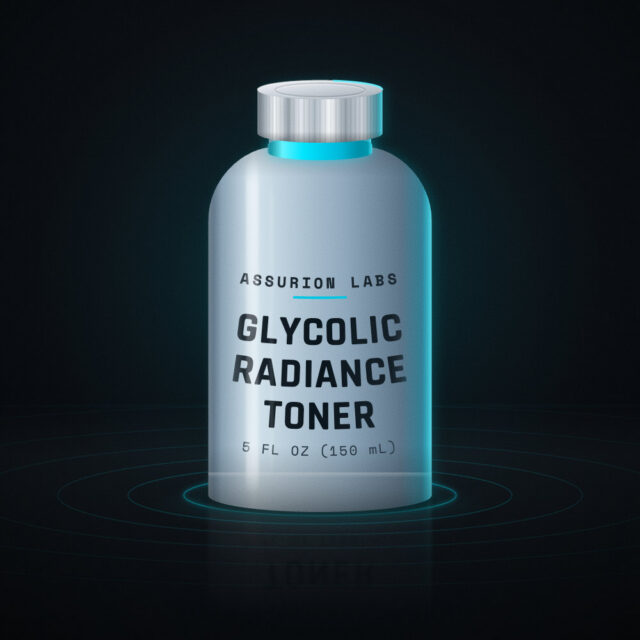
The Glycolic Radiance Toner from Assurion Labs is a familiar way to try glycolic acid. Pair it with a daily sunscreen, and read the retinol guide if you plan to use both. You can see every product with glycolic acid in the glycolic acid collection, or compare other ingredients on the Shop by Ingredient page.
Frequently asked questions
How often should I use glycolic acid?
Start once or twice a week and add evenings slowly if your skin feels comfortable. Every other evening is the most that many product directions suggest, and daily use is not necessary. Follow the label on your specific product.
Can I use glycolic acid and retinol together?
Not on the same night while you are starting out. Both can dry out and irritate skin, and using them together makes it hard to tell which one is the cause. Use them on separate nights and add them one at a time.
Do I need sunscreen with glycolic acid?
Yes. Exfoliating acids can make skin more sensitive to the sun. Use sunscreen every morning as directed, reapply at least every 2 hours when outdoors, and limit sun exposure.
What is the difference between glycolic acid and salicylic acid?
Glycolic acid is an AHA that dissolves in water and works on the surface, so it is often chosen for dull-looking skin and rough texture. Salicylic acid is a BHA that dissolves in oil and is often chosen for pores and oily-looking skin. Use one at a time when you begin.
Should it sting?
A mild, brief tingle can happen, especially the first few times. Burning, pain or redness that lingers is a sign to rinse it off, stop and give your skin time to settle. If it does not settle, talk with a healthcare professional.
This content is for general cosmetic and educational purposes only and is not medical advice. It is not intended to diagnose, treat, cure, or prevent any disease or skin condition. If you have a skin condition, are pregnant or nursing, or have concerns about a product, talk with a qualified healthcare professional.
Patch test before first use: apply a small amount to the inside of your forearm and wait 24 hours. Stop use and rinse if irritation occurs. For external use only. Avoid contact with eyes.