On this page 8 sections
Ingredient facts
Retinol
- What it is
- Retinol is an over-the-counter form of vitamin A. Prescription retinoids are a separate category and are not the same thing.
- Why it is commonly used
- It is commonly used to help the appearance of fine lines and to help skin look smoother and more even-toned. Results are gradual, and consistency matters more than strength.
- Common product types
- Night serums and night creams, and sometimes eye creams. Look for opaque packaging that limits light and air.
- How to add it to a routine
- Start with two evenings a week on clean, dry skin, then follow with moisturizer. Increase slowly and wear sunscreen every morning.
- Pairs well with
- Moisturizers, hyaluronic acid, ceramides and niacinamide help skin feel comfortable. Keep other strong actives, such as exfoliating acids, on different nights.
- Usage considerations
- Ask a healthcare professional before use if you are pregnant, nursing or trying to conceive. Patch test, avoid broken or irritated skin and the eye area, and stop use if stinging or burning continues.
Retinol gets a lot of attention in skin care, and it deserves a slow, careful start. Used sensibly, it can be a steady part of an evening routine. Used too often or too soon, it can leave skin dry and irritated. This guide covers the basics, including who should ask a healthcare professional first.
What retinol is
Retinol is a form of vitamin A and part of a larger family called retinoids. The retinol in over-the-counter skin care is a cosmetic ingredient. Prescription retinoids are a separate category, prescribed and monitored by a healthcare professional, and they are not the same as the products in this guide.
On labels you may see retinol, retinal (also called retinaldehyde) or esters such as retinyl palmitate. These are different forms of vitamin A, and they vary in strength. Retinol is the most common form in gentle, everyday formulas.
Why it is commonly used in skin care
People use retinol to help the appearance of fine lines, to help skin look smoother and more even-toned, and to help improve the look of rough texture.
Results are gradual. Most people need to use it consistently for a few months before judging it, and it is common to notice mild dryness while your skin adjusts. Consistency matters more than strength.
Common product types
Retinol is most often found in night serums and night creams, and sometimes in eye creams made for that area. Look for opaque packaging, such as a pump or a tube, because retinol breaks down with light and air.
How to add it to a simple routine
The approach is to start low and go slow. The schedule below is a gentle example, not a rule. Go at the pace your skin sets, and step back a level if it feels dry, tight or stingy.
| Timeline | How often |
|---|---|
| Weeks 1 to 2 | Two evenings a week, with a rest night between |
| Weeks 3 to 4 | Three evenings a week, if skin feels comfortable |
| Week 5 and beyond | Every other evening at most, or stay where you are |
- Cleanse gently in the evening and pat skin fully dry.
- Apply a pea-sized amount to the whole face, avoiding the eyes and the corners of the nose and mouth.
- Moisturize after. If your skin is sensitive, a layer of moisturizer before and after can soften the feel.
Use retinol in the evening only, and wear sunscreen every morning. Retinol can make skin feel more sensitive to the sun, so follow your sunscreen directions and limit sun exposure. Daily use is not required.
What it pairs well with
- Moisturizer is the most important partner. It helps skin feel comfortable while it adjusts.
- Hyaluronic acid, ceramides and niacinamide add hydration and comfort.
- Sunscreen is the morning partner, every day.
- Vitamin C is often kept for the morning while retinol stays in the evening.
What to keep apart: exfoliating acids such as glycolic or salicylic acid, and any other retinol product, on the same night, especially in the first few months.
Usage considerations
- Ask a healthcare professional before using retinol or other vitamin A products if you are pregnant, nursing or trying to conceive.
- If you use prescription skin products or any medication, ask a healthcare professional before adding retinol.
- Do not use retinol on broken, sunburned or irritated skin, or on the eye area.
- Patch test first. Apply a small amount to the inside of your forearm and wait 24 hours.
- Mild dryness, tightness or light flaking can happen while your skin adjusts. Stinging, burning, lasting redness or pain is not something to push through. Stop use, and talk with a healthcare professional if it continues.
- Avoid overuse. Using more, or more often, usually brings irritation rather than faster results.
Where to go next
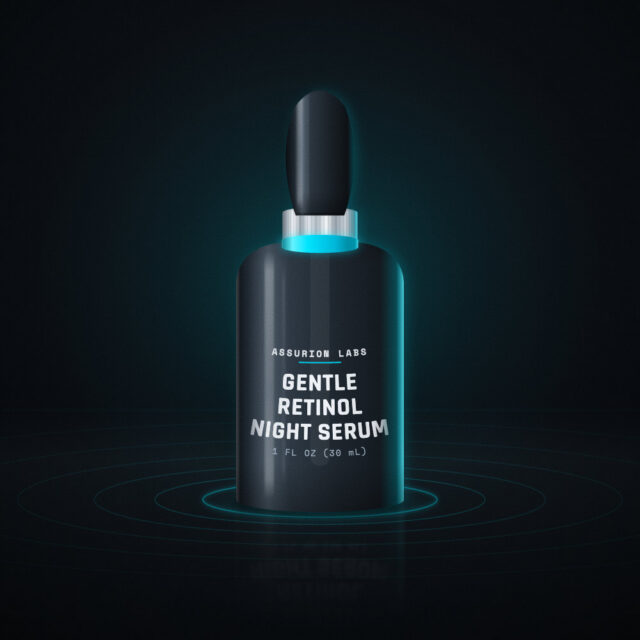
If you would like a gentle place to start, the Gentle Retinol Night Serum from Assurion Labs is made for evening use. Pair it with a daily sunscreen, and read how to patch test a new product before your first night. You can see all products with this ingredient in the retinol collection, visit the fine lines and firmness page, or compare other ingredients on the Shop by Ingredient page.
Frequently asked questions
How often should I use retinol when I am starting?
Start with two evenings a week and add nights slowly as your skin allows. Skipping a night or stepping back is a normal part of the process. If your skin feels dry or stingy, use less, not more.
Can I use retinol in the morning?
Evening is the better choice. Retinol can make skin feel more sensitive to the sun, and light and air can break the ingredient down. If you use it at night, wear sunscreen the next morning and every morning after.
Can I use retinol if I am pregnant or nursing?
Ask a healthcare professional before using retinol or any vitamin A product if you are pregnant, nursing or trying to conceive. A general guide cannot answer this for you. They can help you choose what fits your situation.
Can I use retinol with glycolic or salicylic acid?
Not on the same night while you are starting out. Layering strong actives is a common cause of dryness and irritation. If you want to use both, keep them on separate nights and add them one at a time.
What should I do if my skin gets irritated?
Stop using it for a few days and keep your routine simple with a gentle cleanser, a moisturizer and sunscreen. Restart at a lower frequency once your skin feels comfortable. If irritation is painful, persistent or getting worse, talk with a healthcare professional.
This content is for general cosmetic and educational purposes only and is not medical advice. It is not intended to diagnose, treat, cure, or prevent any disease or skin condition. If you have a skin condition, are pregnant or nursing, or have concerns about a product, talk with a qualified healthcare professional.
Patch test before first use: apply a small amount to the inside of your forearm and wait 24 hours. Stop use and rinse if irritation occurs. For external use only. Avoid contact with eyes.