On this page 8 sections
Ingredient facts
Peptides
- What it is
- Peptides are short chains of amino acids, the building blocks of proteins. They are a broad family, and labels name them by type, such as palmitoyl tripeptide-1.
- Why it is commonly used
- They are used to help the appearance of fine lines and to help skin look and feel smoother and firmer. Changes are usually gradual and subtle.
- Common product types
- Serums, eye creams, night creams and everyday moisturizers.
- How to add it to a routine
- Apply after cleansing, serum first, then eye cream if you use one, then moisturizer. Finish with sunscreen in the morning.
- Pairs well with
- Hyaluronic acid, ceramides and niacinamide. Vitamin C in the morning and retinol at night can share a routine with peptides, one new active at a time.
- Usage considerations
- Patch test before first use and stop if irritation occurs. Keep eye products out of your eyes, and ask a healthcare professional if you are pregnant, nursing or taking medication and are unsure.
Peptides show up in serums, eye creams and night creams, usually next to words like smooth and firm. The name sounds technical, but the idea is simple. This guide explains what peptides are, what they can realistically do in a formula and how to use them.
What peptides are
Peptides are short chains of amino acids, the building blocks that make up proteins. When a chain gets long enough it is called a protein. Shorter chains are peptides.
Peptides are a broad family, not a single ingredient. On a label you will see names such as palmitoyl tripeptide-1 or copper tripeptide-1. Words like tri, tetra and hexa tell you how many amino acids are in the chain, and the number identifies the specific peptide. Formulators choose different peptides for different jobs, which is why two peptide products can feel quite different.
Why it is commonly used in skin care
Peptides are usually chosen for skin that looks a little less firm or smooth than you would like. In cosmetic products they are used to help the appearance of fine lines and to help skin look and feel firmer and smoother.
A realistic note: peptides are not a quick fix. Changes in how skin looks are usually gradual and subtle, and they depend on the specific peptides, the rest of the formula and how consistently you use it. Peptides are generally well tolerated, which is a big part of their appeal.
Common product types
| Product type | How it is used |
|---|---|
| Serum | A light layer after cleansing, applied to the face and neck before moisturizer. |
| Eye cream | Patted gently around the eye area with a fingertip, morning, evening or both. |
| Night cream | The last step of an evening routine, when a richer texture is easier to wear. |
| Everyday moisturizer | A daily option that keeps the routine to fewer steps. |
How to add it to a simple routine
- Cleanse with a gentle cleanser.
- Apply a peptide serum to the face and neck.
- Pat on eye cream along the bone around the eye, keeping it out of your eyes.
- Moisturize, using a night cream in the evening.
- Add sunscreen as the final step in the morning.
You do not need all of these. One peptide product used consistently is a better start than three used unevenly. For the evening steps, our simple evening routine shows where each layer goes.
What it pairs well with
- Hyaluronic acid and ceramides add hydration and comfort, and they layer easily with peptides.
- Niacinamide is another gentle companion in smoothing-focused routines.
- Vitamin C and retinol can share a routine with peptides, for example vitamin C in the morning and retinol at night. Add one active at a time so you can tell what your skin likes.
- Sunscreen is an essential daytime step for the look of skin over time.
Usage considerations
- Patch test before you use a new product on your face: apply a small amount to your inner forearm and wait 24 hours.
- Peptides are usually gentle, but the rest of a formula, such as fragrance, can still bother sensitive-feeling skin. Stop use and rinse if irritation occurs.
- Keep eye creams and serums out of your eyes. If product gets in, rinse with water.
- Be cautious about packaging that promises dramatic results. Subtle changes over weeks are more realistic.
- If you are pregnant, nursing or taking medication and are unsure about a product, ask a healthcare professional.
Where to go next
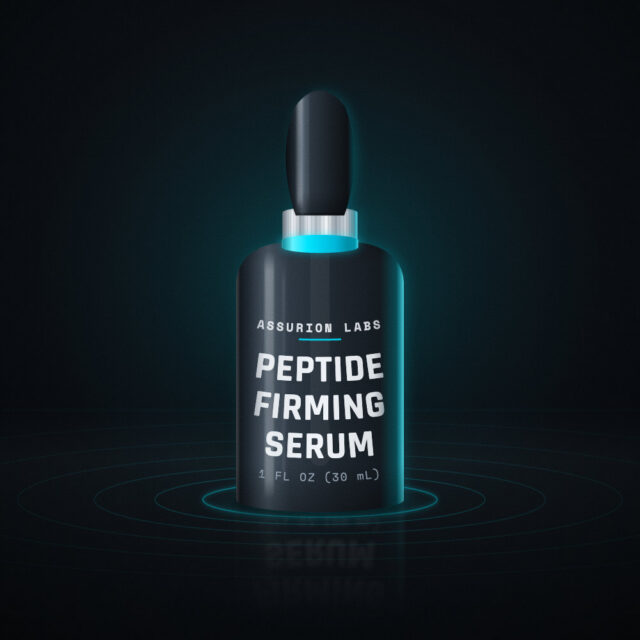
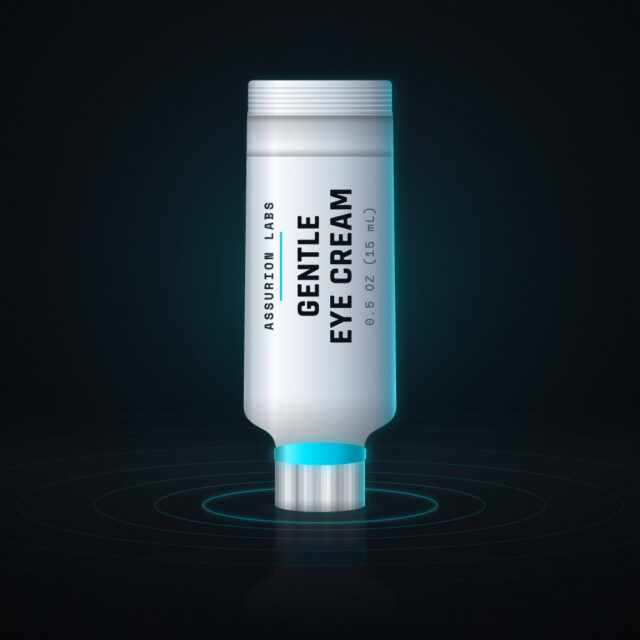
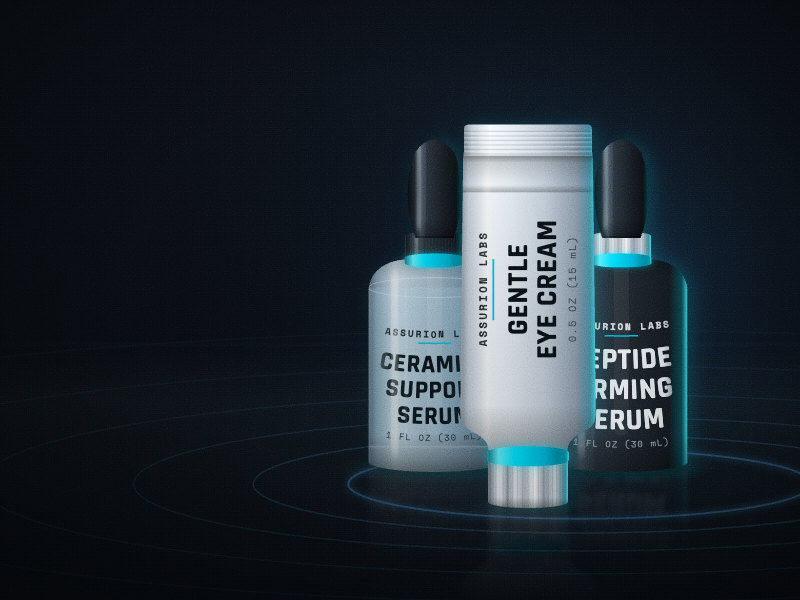
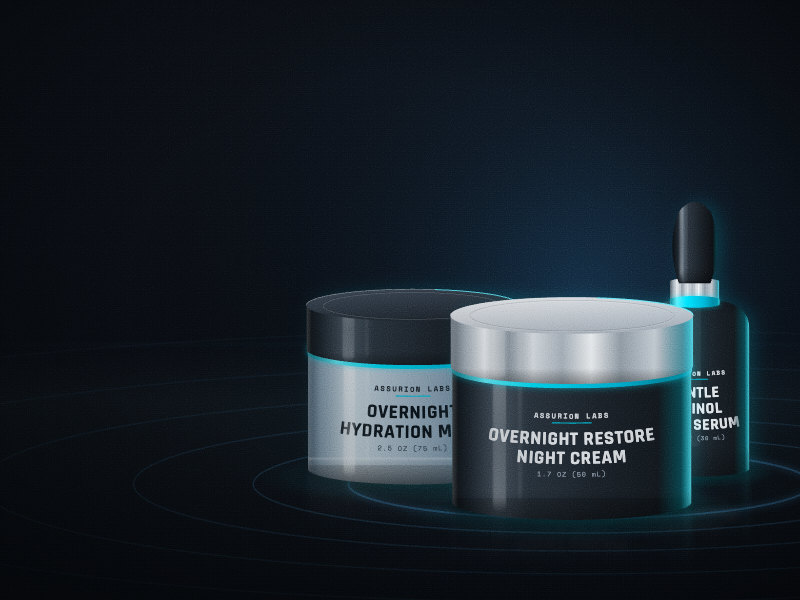
Assurion Labs products with peptides include the Peptide Firming Serum, the Gentle Eye Cream and the Overnight Restore Night Cream. You can see every product that contains them in the peptide collection, or compare other ingredients on the Shop by Ingredient page.
Frequently asked questions
Are peptides the same as collagen?
No. Collagen is a large protein, while peptides are short chains of amino acids. The two words are related, but they are not interchangeable, so check the ingredient list to see which one a product actually names.
How long before I notice a difference?
Give a peptide product at least a month or two of regular use before judging it. Changes in the look of skin are usually subtle, and daily sunscreen also plays a big part in how smooth and firm skin looks over time.
Can I use peptides with retinol or vitamin C?
Yes, most people can. To keep track of how your skin responds, add one new active at a time and give it a couple of weeks before adding another.
Do I need a separate eye cream?
Not necessarily. Many people use their regular moisturizer near the eyes, and an eye cream is simply a convenient option made for that area. Keep any product out of your eyes.
This content is for general cosmetic and educational purposes only and is not medical advice. It is not intended to diagnose, treat, cure, or prevent any disease or skin condition. If you have a skin condition, are pregnant or nursing, or have concerns about a product, talk with a qualified healthcare professional.
Patch test before first use: apply a small amount to the inside of your forearm and wait 24 hours. Stop use and rinse if irritation occurs. For external use only. Avoid contact with eyes.